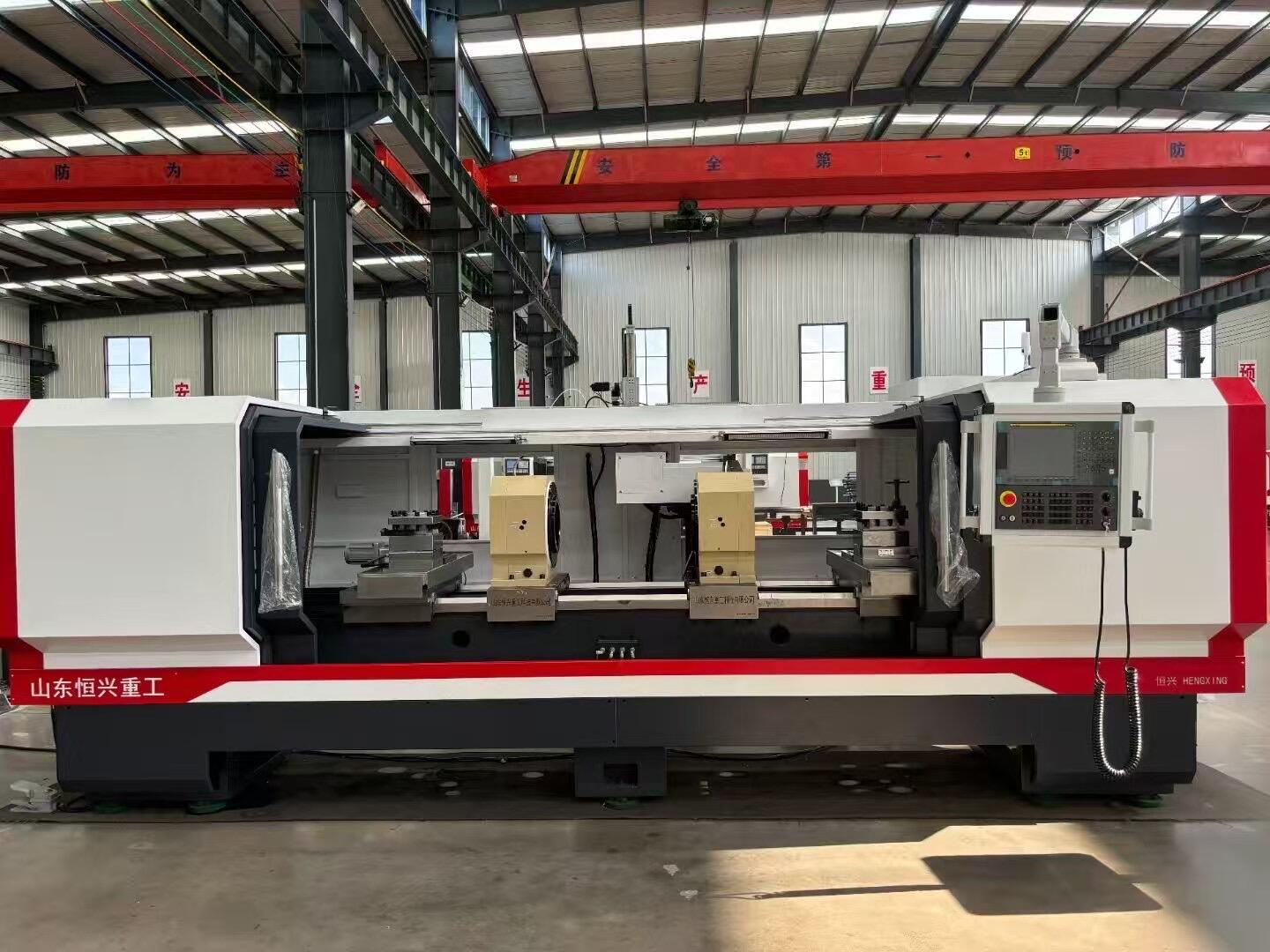
Why Dual-Spindle CNC Lathes Excel in High-Volume Automotive Production
Simultaneous Front-and-Rear Machining Eliminates Manual Handling
A dual spindle CNC lathe revolutionizes automotive part manufacturing. It machines both workpiece ends simultaneously. Shandong Hengxing Heavy Industry Science&Technology Co.,Ltd. optimizes this for auto production.
Manual part transfer is eliminated entirely. This reduces labor costs and setup errors. Transmission shafts benefit from 70% less handling time.It outperforms traditional single-spindle machines. Auto spindle transfer maintains tight tolerances.
Tolerances stay within ±0.005 mm consistently. This is critical for safety-critical parts.ABS sensor rings demand such precision. Tiny variations could cause severe issues later.
Multi-Operation Capability for Complex Parts (e.g., Axle Shafts, Transmission Components)
Modern machine tools bring together several operations like turning, drilling, milling, threading, plus in-process measurement all within a single setup. This means complex shapes can be machined completely without needing extra steps later on. Parts such as turbocharger shafts, differential carriers, and gear blanks get finished right where they need to be, everything done automatically in one go. According to what we see across the industry, these setups cut down production times by around 30 to 50 percent when compared to older methods. The benefits are pretty clear once manufacturers start using them regularly.
- Axle shafts: Simultaneous turning of splined ends and center bearing surfaces
- Valve bodies: Integrated cross-drilling and chamfering
- Gear blanks: Full profile completion in one sequence
This consolidation supports just-in-time manufacturing by reducing work-in-progress inventory and enabling continuous flow.
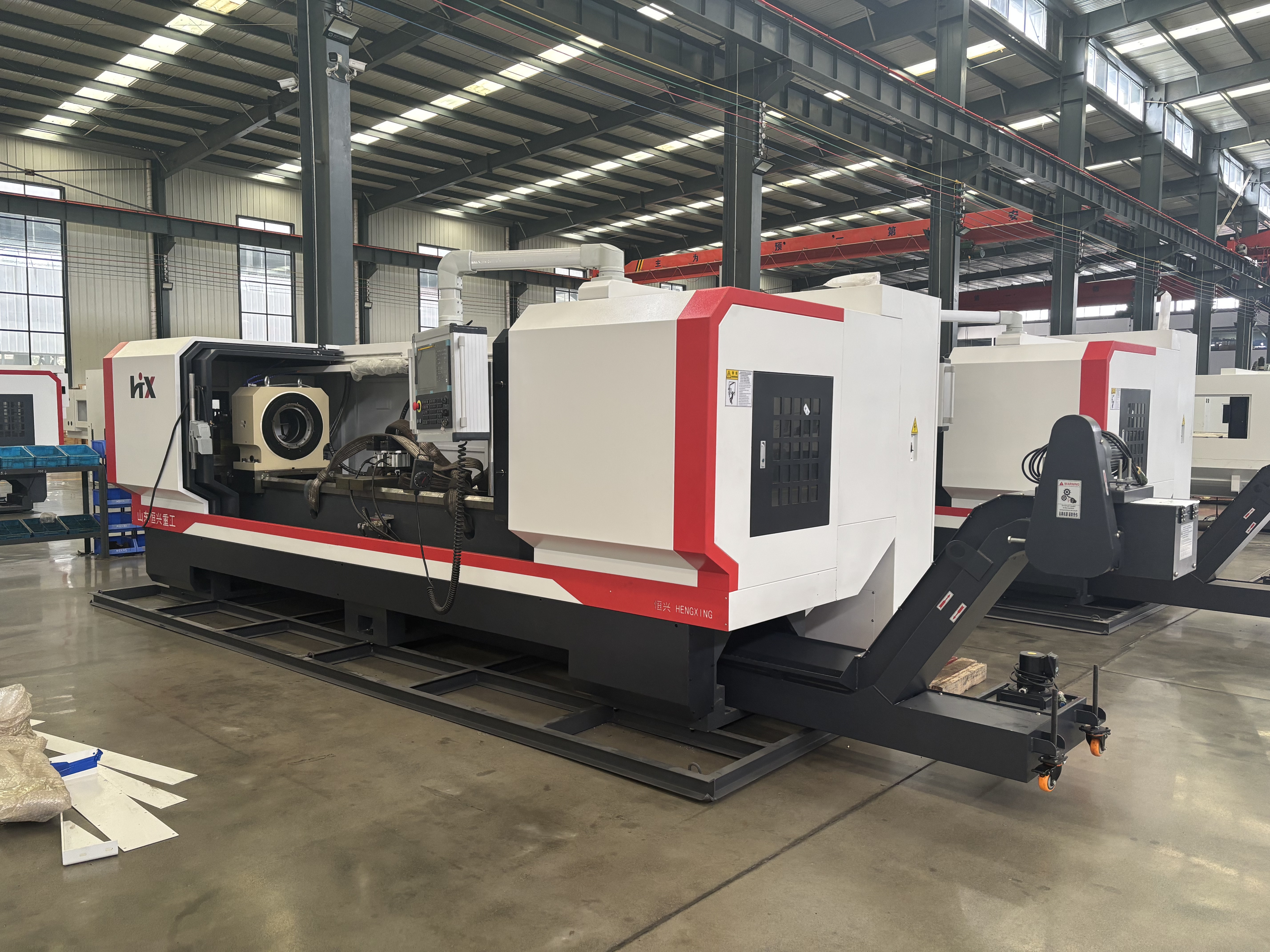
Cycle Time Reduction Through True Parallel Processing
How Twin-Spindle Synchronization Cuts Cycle Time by 30–50%
Dual spindle CNC lathes work on two parts concurrently. One spindle shapes raw material.The second finishes the previous workpiece. No waiting or manual station transfers occur.
Cycle times drop by 30–50% as a result. Automotive axle suppliers see 42% faster completion.Both cutting heads run continuously. No resetting or reconfiguring is needed mid-process.
Uptime Optimization: Balancing Automation, Setup, and Changeover Efficiency
Three factors drive peak production levels. Robotic loading/unloading, standard tooling, and quick changeovers.Robots handle parts 24/7 without interruption. Machines run continuously day and night.
Preconfigured tool kits and kinematic mounts speed changeovers. Switching parts takes under 15 minutes.Temperature control maintains micron-level accuracy. Long production runs stay precise.Overall equipment effectiveness exceeds 85%. Downtime between cuts is minimized.
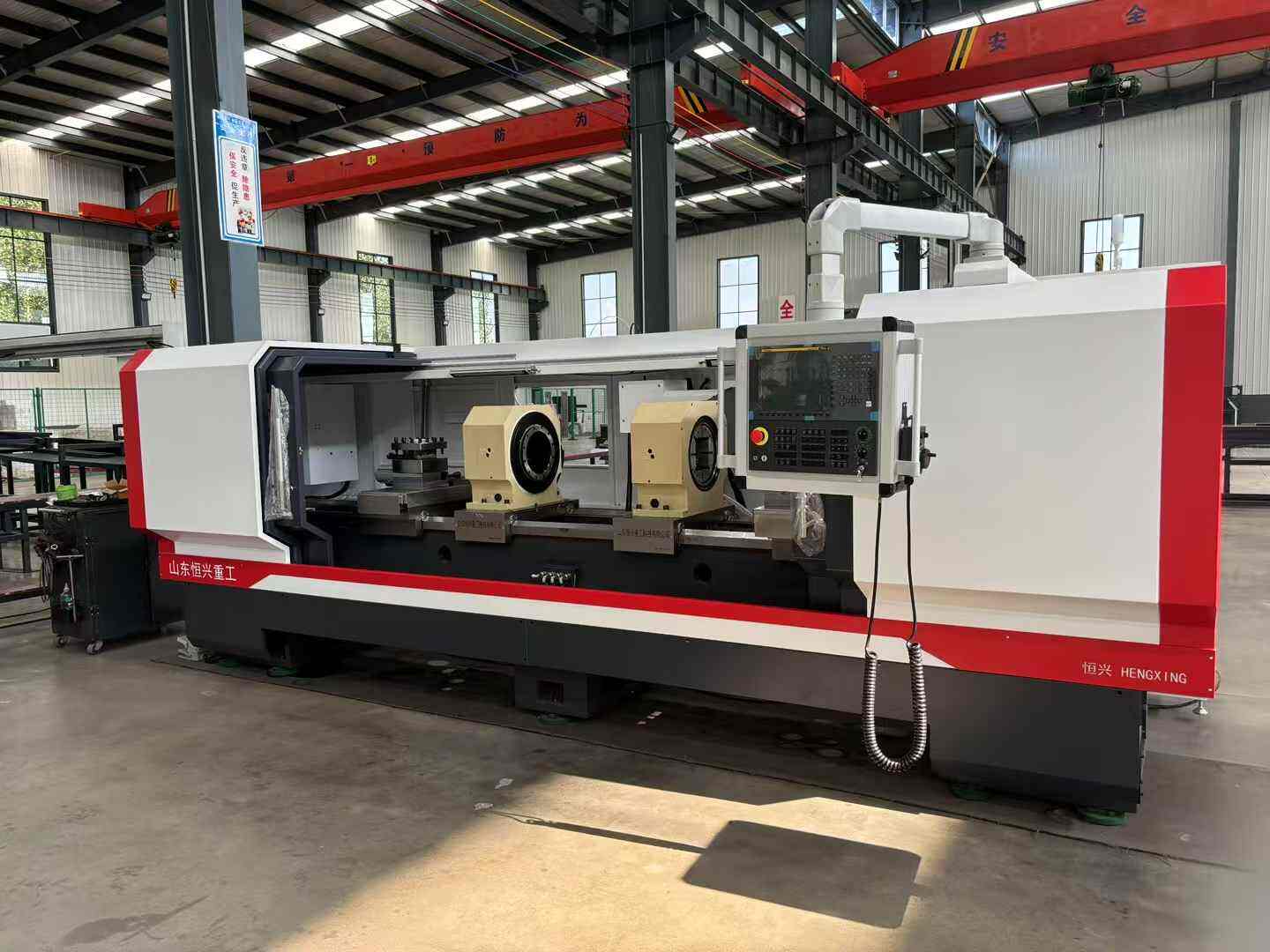
Achieving Automotive-Spec Precision with Reduced Human Intervention
Tight-Tolerance Machining (< ±0.005 mm) Enabled by Integrated Tooling and Thermal Stability
Dual spindle CNC lathes deliver automotive-grade accuracy. Synchronized multi-axis tools aid precision.Built-in thermal compensation fights heat distortion. Adjustments happen in real time.Hardened steel shafts and fuel injectors are processed easily. Tolerances hold at ±0.005 mm.
Human error drops by nearly 50%, per shop floor data. Automated in-process checks ensure quality.AS9100 compliance is achieved effortlessly. Scrap rates stay low for critical parts.Valve seats and bearing races meet safety standards. Spec deviations under 5 microns are guaranteed.
Streamlining Automotive Workflows via Integrated Automation and Minimal Secondary Operations
Robotic integration cuts manual handling by 90%. Unsupervised overnight runs are possible.All key operations complete in one setup. Turning, drilling, milling, and inspection are unified.Tolerances under 0.008 mm are achieved. No extra finishing work is required.
Processes drop from 5–6 steps to 1–2. Production speeds up 35–55%.Energy use and floor space needs decrease. It outperforms traditional methods.Adaptive programming supports high-mix production. Retooling delays are eliminated.
Deburring, washing, and requalification stages are removed. A traceable digital thread is maintained.This meets strict automotive compliance requirements. The dual spindle CNC lathe ensures end-to-end quality.
Automotive workflow optimization benefits:
- 90% fewer material transfers between processes
- 55% reduction in work-in-progress inventory
- Near-zero setup times for batch changeovers
- Unified quality control through in-process metrology