What Is a Double Spindle CNC Turning Machine?
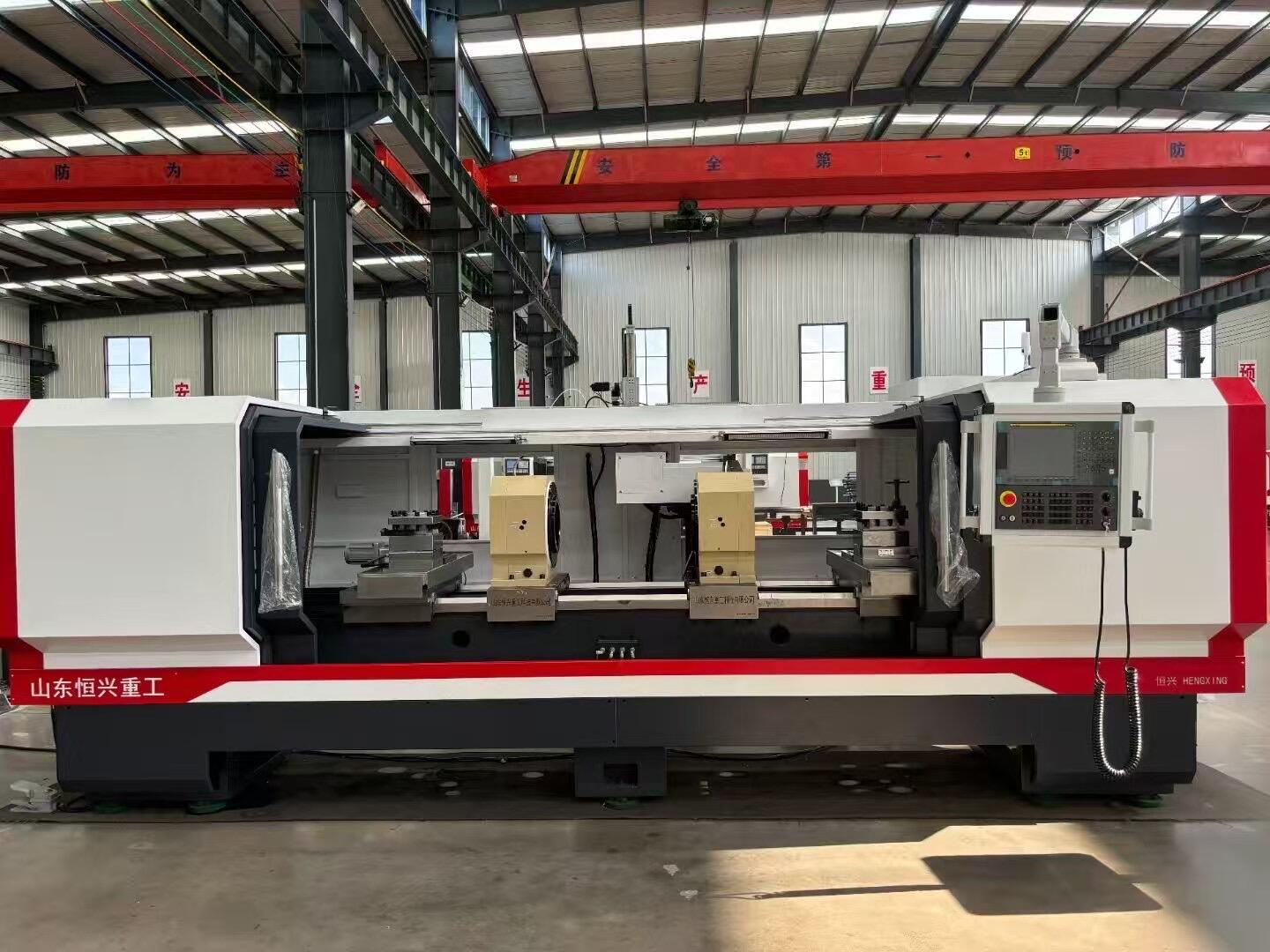
A double spindle CNC turning machine integrates two spindles in one frame. It has a main spindle and a smaller sub-spindle. Shandong Hengxing Heavy Industry Science&Technology Co.,Ltd. optimizes this design for precision production.Its key strength is dual-side part machining. The main spindle cuts faces or drills holes first. The sub-spindle auto-grips the workpiece afterward.
It moves to finish the other side via internal boring. No operator intervention or manual repositioning is needed.This saves time and cuts production errors significantly. It streamlines workflows for high-precision tasks.
Core Architecture and Dual-Spindle Operation
The main and sub-spindles operate in synchronized coordination, driven by dedicated motors and precision gearing. Key components include:
- Headstock: Houses the primary spindle motor, enabling programmable rotational speeds.
- Tool Turret: Holds cutting tools for rapid indexing and supports live tooling for milling or tapping.
- Sub-Spindle Assembly: Positioned opposite the main spindle, it receives parts via linear or rotary transfer. This setup minimizes idle time by machining both ends of a component in one uninterrupted cycle.
Key Differences from Single-Spindle and Multi-Turret Machines
Single-spindle lathes need manual part movement. Dual-spindle systems automate this process.Time savings range from 40% to nearly 66% vs. traditional methods. Multi-turret machines offer more tools.
But they lack dual-end simultaneous machining. This is critical for intricate, precision parts. Medical implants require ±0.005mm tolerance. It ensures function and patient safety.
Production Advantages of Double Spindle CNC Turning Machines
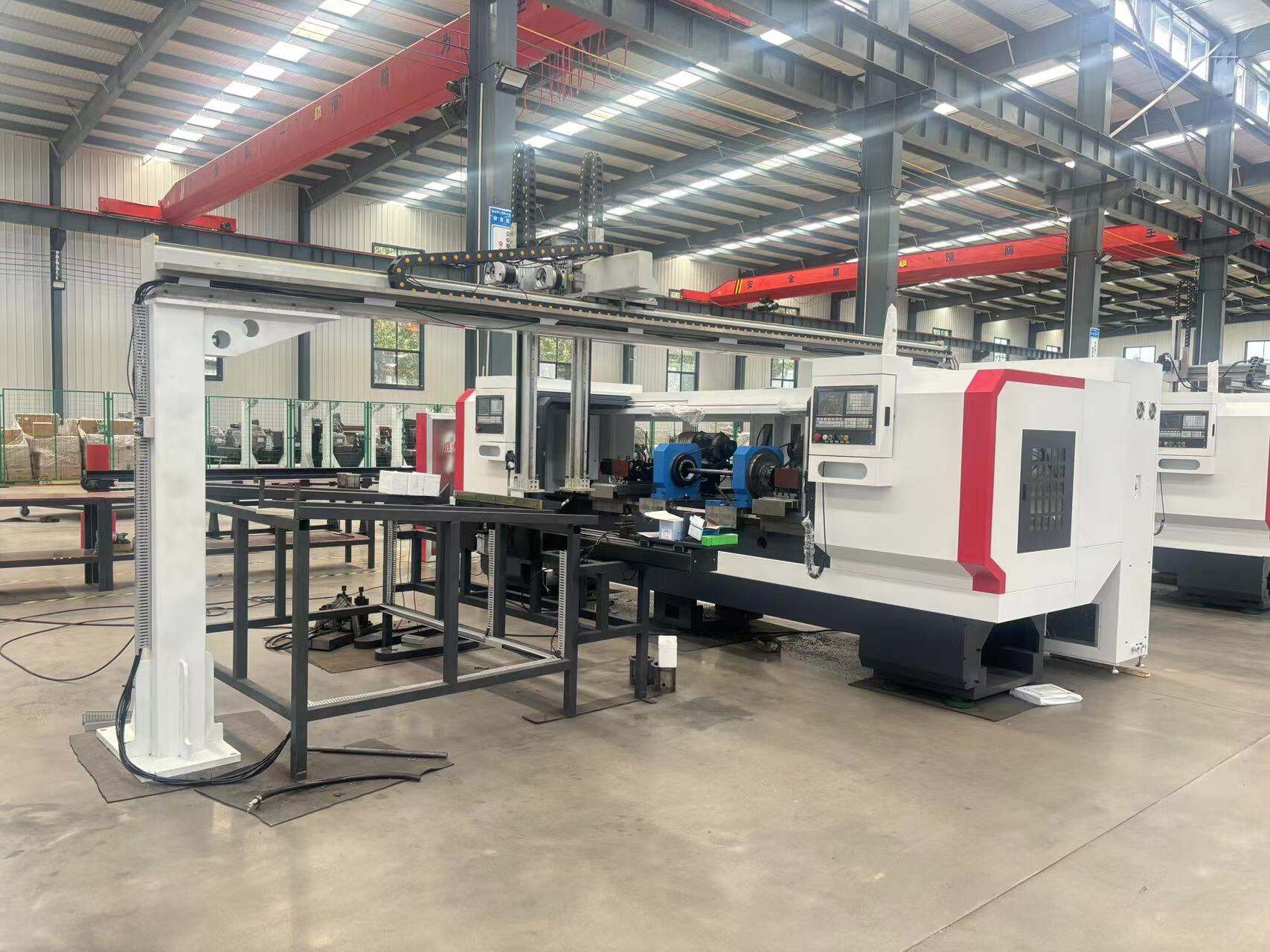
Double spindle CNC turning machines deliver transformative efficiency gains for high-volume manufacturing—reshaping production economics without compromising precision.
Reduced Cycle Time Through Simultaneous Machining
Dual spindles enable concurrent roughing and finishing. Parallel workflows eliminate idle periods.Cycle time drops 40–60% vs. single-spindle alternatives. Synced motion maintains ±0.0005in accuracy.This suits high-tolerance components perfectly. No precision loss occurs during simultaneous cuts.
Improved Part Accuracy and Reduced Handling Errors
Automated part transfer between spindles removes manual handling, reducing handling-related defects by 82%. Because all operations occur within a single machine environment, cumulative tolerance stack-up is avoided, and dimensional stability is preserved across long production runs.
Ideal Applications for Double Spindle CNC Turning Machines
High-Volume Precision Components in Automotive and Medical Sectors
These machines really shine when it comes to making lots of parts where getting things exactly right every time matters most. Take the automotive industry for instance, these systems churn out powertrain bits such as drive shafts and valve bodies about 37 percent quicker compared to those old single spindle setups. And don't get me started on medical device manufacturing! They handle all sorts of surgical tools and titanium implants with incredible precision down to plus or minus 0.005 mm. That kind of accuracy means no surprises when running through thousands upon thousands of units in a batch, which is absolutely critical for maintaining quality standards in healthcare applications.
Complex Axial Parts Requiring Secondary Operations
Dual-spindle configurations eliminate manual transfers for parts needing sequential machining. The primary spindle handles roughing while the secondary executes finishing, cross-drilling, or threading—all in one chucking. This is essential for hydraulic fittings with dual-end threads or aerospace bushings requiring internal grooving after primary turning, reducing misalignment risk by 68%.
Key Selection Criteria for Buyers
Spindle Synchronization, Tooling Capacity, and Bar Feed Compatibility
Proper spindle sync reduces vibrations. Poor sync raises vibrations by 40% during complex cuts.At least 24 turret stations are recommended. It avoids frequent manual tool changes.
Compatibility with 76mm diameter bars is ideal. It enables nonstop production of long shafts.This cuts downtime by 30%, per industry reports. For tough materials like aerospace titanium, choose hydraulic or servo feeds.
Integration with Automation and Industry 4.0 Readiness
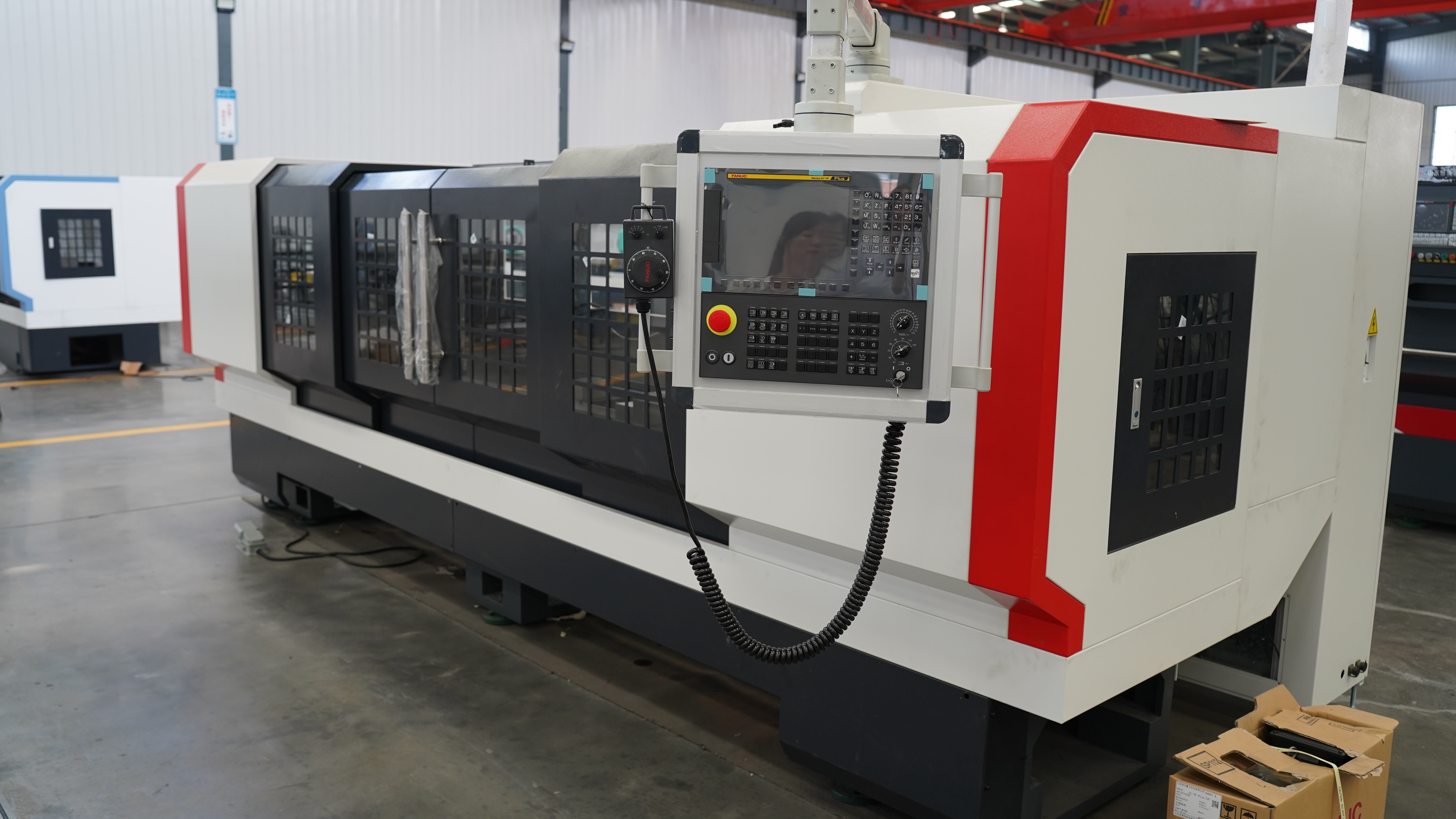
Look for MTConnect/OPC UA protocol support. It enables smooth data sharing with robotics.This reduces manual work by 22% in high-volume facilities. Built-in IoT sensors monitor spindle temp.
Temperature accuracy reaches ±0.5°C. Early warnings prevent overheating issues.API access and cloud diagnostics aid regulated industries. They catch 85% of bearing failures early.
A double spindle CNC turning machine with these features ensures reliable, long-term operation. Shandong Hengxing Heavy Industry Science&Technology Co.,Ltd. offers such industry-ready solutions.