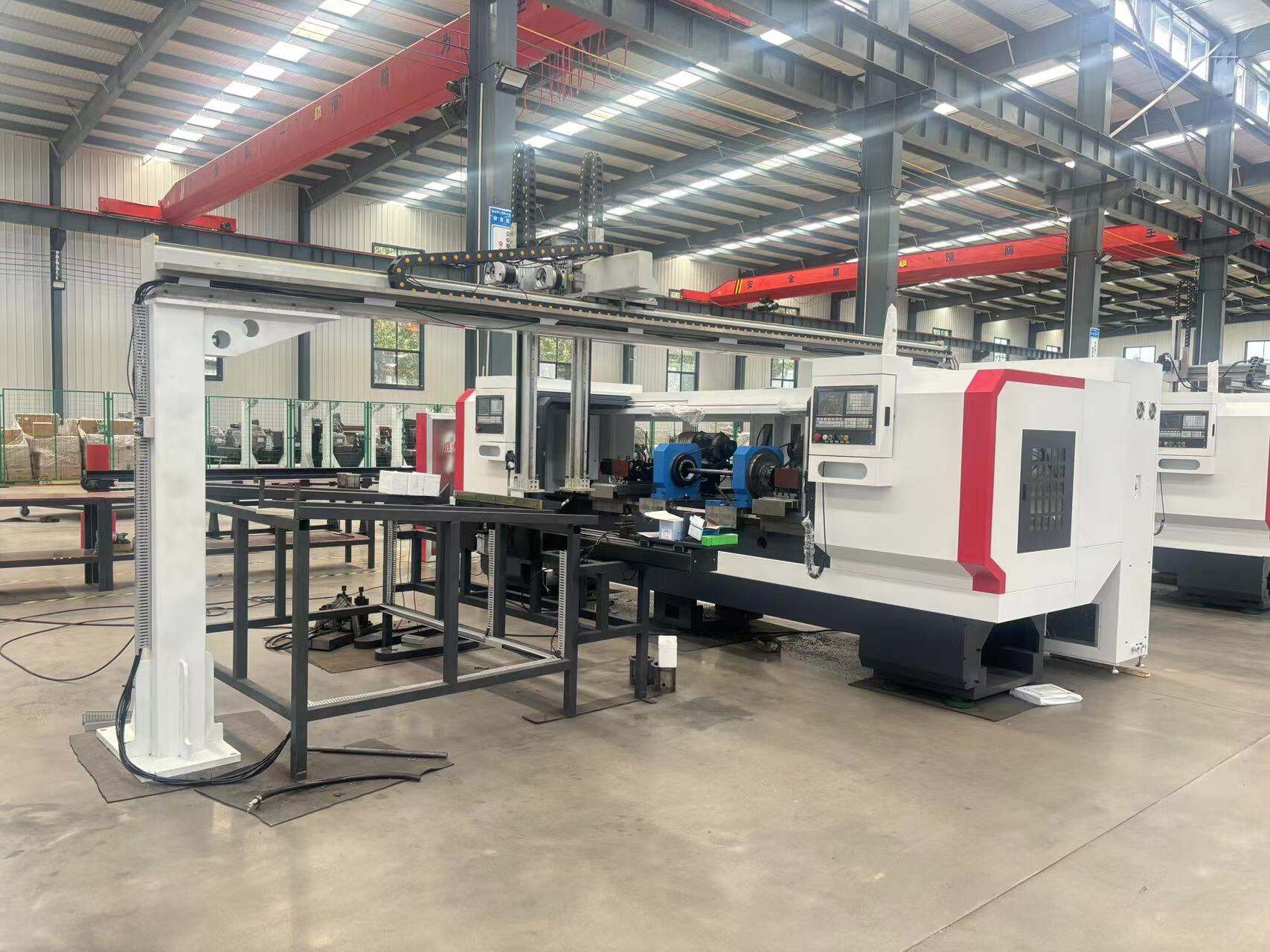
One-Time Clamping: Eliminating Repositioning Errors and Secondary Handling
The precision advantage: How single-setup machining improves part accuracy and GD&T compliance
It delivers micron-level precision through single-setup machining. All operations complete in one clamping cycle.No part movement between setups stops positioning error accumulation. These errors disrupt GD&T compliance.Each rehandling adds 0.05–0.1mm deviation from specs. Aerospace connectors benefit most from its accuracy.
It maintains ±0.025mm tolerance consistently. Traditional methods cannot match this after multiple handlings.Medical device makers see 60% fewer surface contamination issues. This meets ISO 13485 standards easily.Cleanroom operations run smoothly without frequent cleaning interruptions.
Reduced operator intervention and fixture change time in high-mix, high-volume environments
Dual-spindle configurations cut fixture changeover time by up to 30% in automotive applications, with one documented case showing a 45-minute-per-batch reduction for complex engine components. In high-mix environments—where traditional setups waste 18% of production time on clamping realignments—eliminating secondary handling delivers compound benefits:
- Labor costs drop by 25% per 1,000 units
- Work-in-process inventory shrinks significantly
- Tooling damage during manual transfers declines sharply
| Traditional Machining | Single-Clamp Solution | Improvement |
|---|---|---|
| 3.2 repositionings/part | 0 | 100% reduction |
| 22% scrap rate | ≤7% | 68% reduction |
| 18 min setup time | 6 min | 67% faster |
These gains scale directly in 24/7 production cells: every minute saved in operator intervention increases spindle utilization—and overall equipment effectiveness (OEE)—without added capital expense.
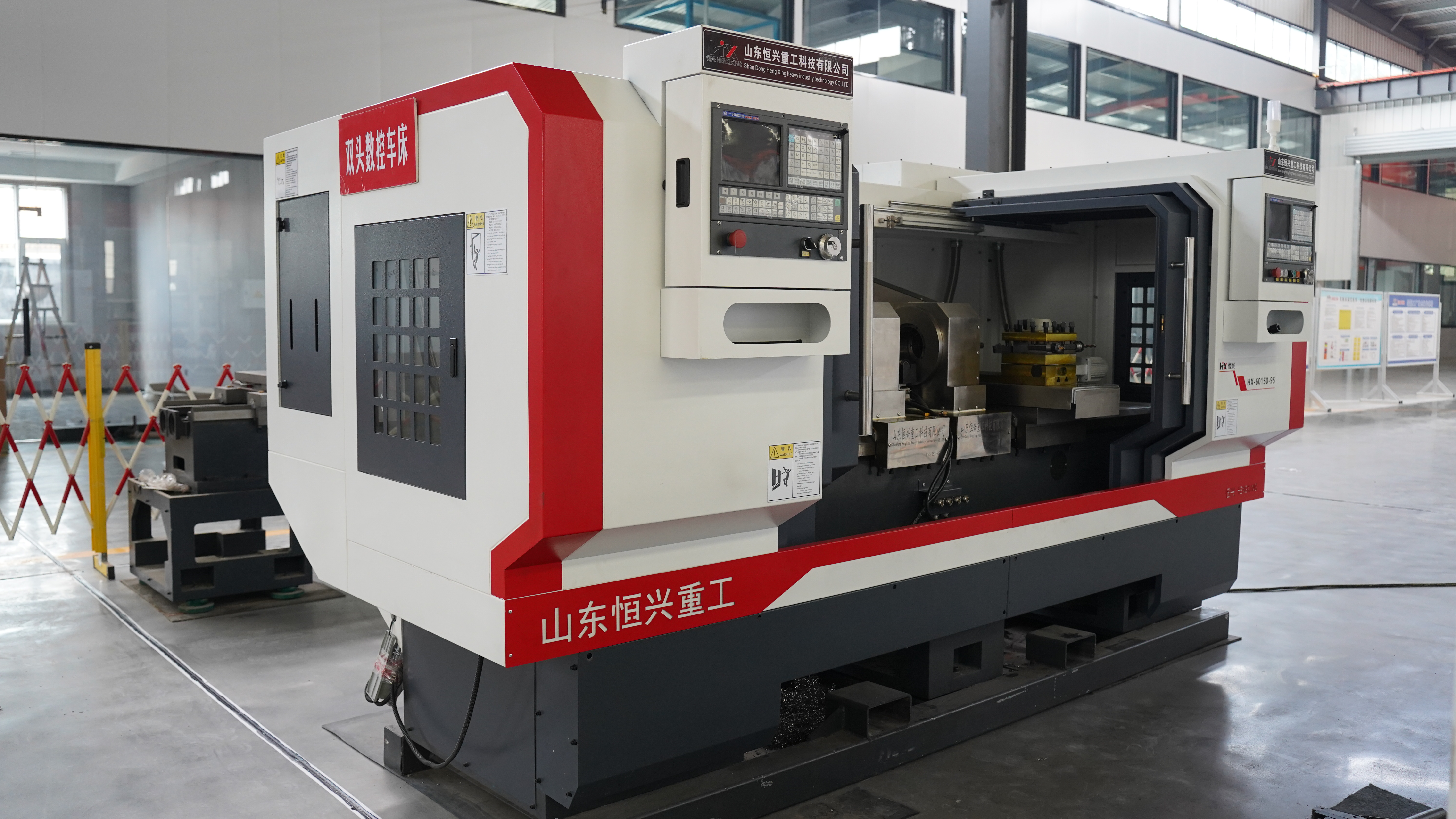
Parallel Processing with Dual Spindles: Cutting Cycle Time by Up to 45%
Simultaneous front- and back-working: Turning, facing, drilling, and threading in one cycle
Double spindle CNC turning machine enables true parallel processing. Main and secondary spindles work concurrently.Main spindle handles turning and facing. Secondary spindle does drilling, threading, or finishing.
It replaces manual part movement and multi-fixture setups. Idle time drops 40–60% for large batches.Shafts and connectors see nearly 50% cycle time cut vs. single-spindle machines.
Toolpath concurrency strategies for balanced spindle loading and minimized idle time
Proper CAM programming balances workload across spindles. Main spindle handles heavy rough cuts.Secondary spindle manages fine details and light work. Real-time coordination prevents idle time.
Feed rates adjust dynamically during long production runs. Downtime stays below 5% with optimal setup.Throughput rises sharply with this balance. Energy costs drop 18–22% vs. two standalone machines.
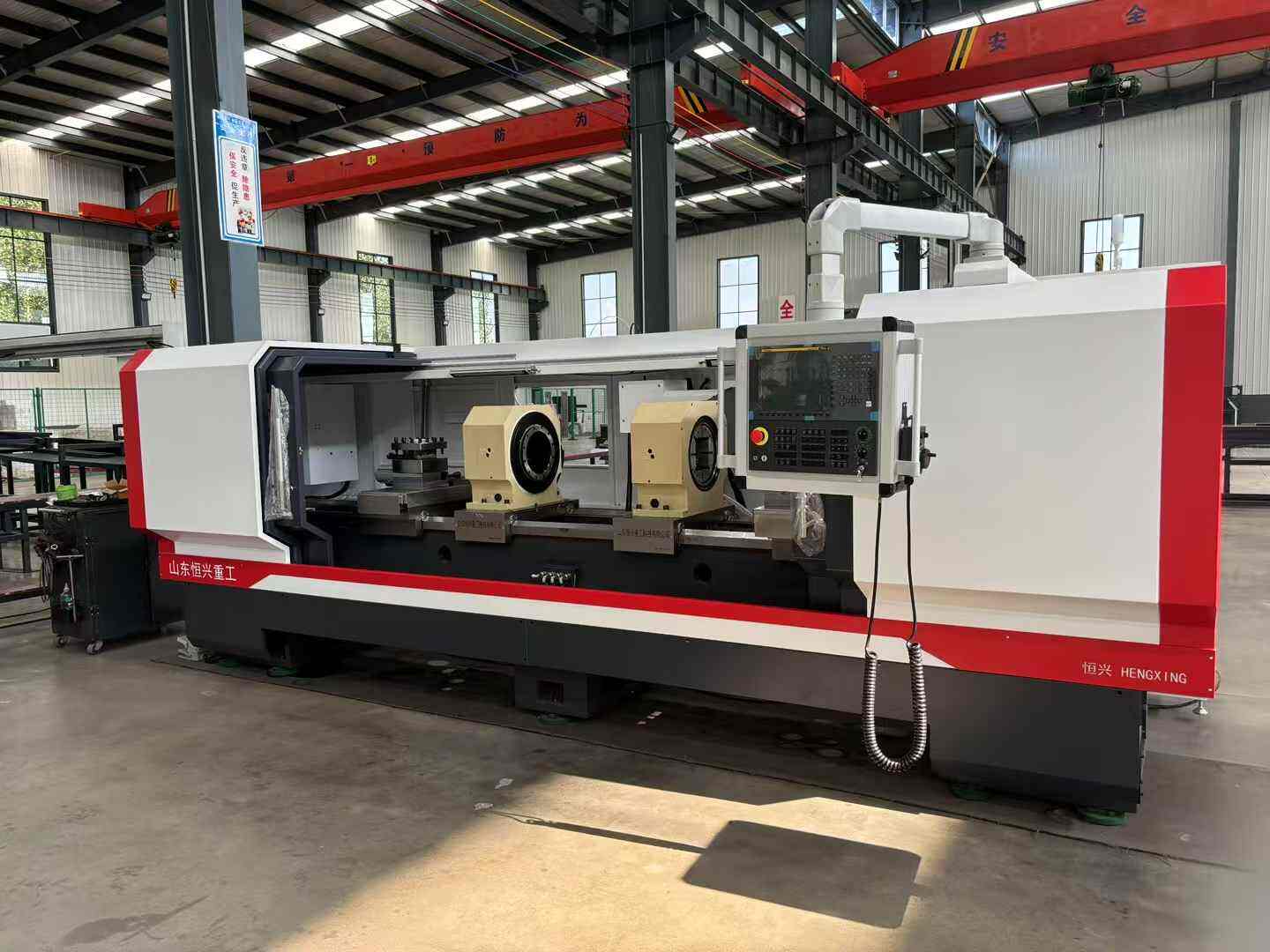
Quantifying the 30% Cost Reduction: Where It Holds—and Where It Doesn’t
Breakdown: Labor, floor space, energy, and scrap reduction contributions to total cost savings
The widely cited 30% total cost reduction from double spindle CNC turning reflects measurable improvements across four interdependent levers:
- Labor: Automation reduces operator involvement by 40–50%, per the 2024 Manufacturing Automation Study by the Association for Manufacturing Technology (AMT)
- Floor space: Consolidating dual operations into one machine cuts workstation footprint by 35%
- Energy: Synchronized spindles consume 18% less power than two equivalent single-spindle units operating separately
- Scrap: One-time clamping eliminates dimensional drift, reducing scrap by up to 90% in precision rotational parts
Realistic scope: Part geometry, batch size, and automation integration as key success factors
Max benefits apply to round parts under 12 inches. Batches over 500 units yield best results.Complex shapes need 5-axis milling, limiting standard setups. Automation integration boosts performance.Automated loading achieves 95% spindle utilization. Manual operations halve potential savings.
Batches under 50 units rarely justify upfront costs. Double spindle CNC turning machine shines in high-volume, steady-demand scenarios.Shandong Hengxing Heavy Industry Science&Technology Co.,Ltd. optimizes its use for high-mix, high-volume production.