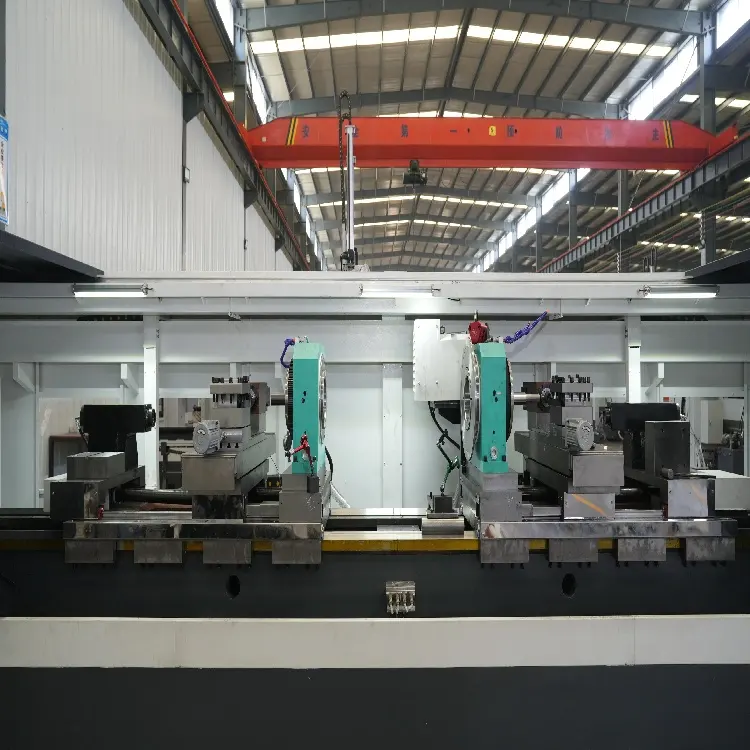
Como D tornos CNC de Duplo Eixo Eliminam Configurações Secundárias com Alinhamento Inferior a 0,01 mm
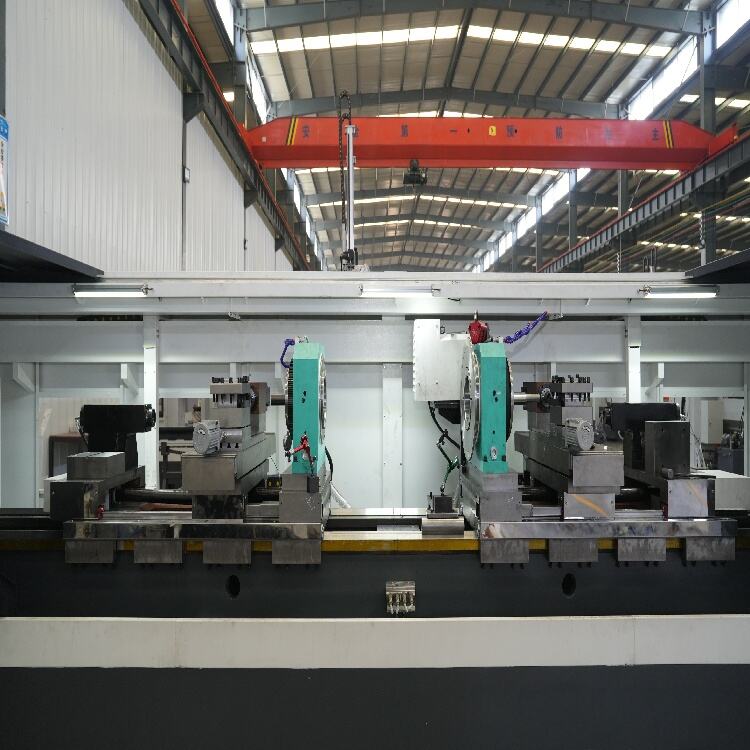
Transferência da peça de trabalho de frente para trás: eliminação de erros induzidos pelo manuseio
Com a torneagem CNC tradicional, os operadores precisam mover manualmente as peças para usinar o segundo lado, o que pode causar problemas de alinhamento de até 0,05 mm e comprometer a concentricidade necessária em peças de precisão, como as utilizadas em sistemas hidráulicos. É aí que entram as máquinas de duplo eixo — elas resolvem basicamente esse problema ao automatizar todo o processo de frente para trás. Quando o eixo principal conclui sua parte do trabalho, o eixo secundário assume imediatamente, segurando a peça diretamente durante o próprio ciclo. Esses sistemas normalmente mantêm uma precisão de posição inferior a 5 mícrons. O que os torna tão eficazes é a suavidade da transição entre os eixos. A ausência de intervenção humana elimina erros decorrentes do manuseio e, mais importante ainda, mantém a excentricidade rigorosamente controlada em ±0,008 mm ao longo de toda a produção. Além disso, fábricas relatam uma redução de quase dois terços no tempo de preparação ao migrarem para esses sistemas avançados.
Sincronização estática/dinâmica do eixo para precisão de acoplamento de 0,01 mm
Todo o sistema funciona por meio do que chamamos de processo de sincronização em duas etapas. Primeiro vem a fase de configuração estática, na qual os lasers definem os pontos de referência críticos que constituem nossa posição inicial. Em seguida, quando os componentes começam a se mover, os servomotores entram em ação, comparando as posições entre o eixo principal e o eixo secundário a uma impressionante taxa de 500 vezes por segundo. Isso permite que o sistema realize ajustes em tempo real para diversos problemas, como expansão térmica, forças rotacionais e pequenas variações mecânicas ao longo do tempo. Testes industriais demonstraram que esse método atinge consistentemente os alvos de acoplamento com precisão de 0,01 mm ou melhor, mesmo operando continuamente, dia após dia, sem supervisão. Por que isso é importante? Porque, se o alinhamento sair ligeiramente da trajetória correta, isso pode levar a sérios problemas futuros. As transmissões automotivas são particularmente sensíveis nesse aspecto: qualquer desvio fora da tolerância de ± 0,012 mm começa a causar ruídos, vibrações e sensações de rigidez que, em última instância, afetam o desempenho geral do veículo.
Estabilização de eixos e tubos longos e esbeltos com estrutura rígida e controle sincronizado do eixo-árvore
Combate à ovalização induzida por vibração em peças de 800 mm, utilizando a rigidez do leito de ferro fundido
Ao usinar peças esbeltas com comprimento superior a 800 mm, as vibrações harmônicas tornam-se um problema importante, causando frequentemente desvios de ovalidade que podem ultrapassar 50 mícrons. Para combater esse problema, os fabricantes recorrem a tornos CNC de duplo eixo equipados com estruturas de ferro fundido preenchidas com minerais especiais. Essas estruturas reduzem as vibrações em cerca de 40% mais eficazmente do que estruturas convencionais de aço. A construção robusta dessas máquinas ajuda a absorver as incômodas vibrações de corte, diminuindo a flexão na metade do vão em aproximadamente três quartos. Além disso, garante que a força de fixação permaneça uniforme ao longo de todo o comprimento da peça usinada. O que tudo isso significa? Uma redondeza estável, essencial para aplicações como tubulações de petróleo e gás ou eixos de transmissão. Sem estabilidade adequada, qualquer flexão durante a usinagem compromete tanto a integridade sob pressão quanto o equilíbrio rotacional nessas aplicações críticas.
Algoritmos SSC mantendo a redondeza < 0,005 mm em eixos de aço com até 1,2 m
O sistema de controle síncrono do eixo principal opera com codificadores de alta resolução e algoritmos inteligentes para manter as rotações do eixo principal alinhadas dentro de aproximadamente 0,001 grau, mesmo quando ocorrem variações de temperatura ou cargas diferentes nas ferramentas. Ao trabalhar com esses eixos de aço de 1,2 metro, essa tecnologia permite a usinagem contínua de zonas de assentamento de rolamentos, mantendo a circularidade abaixo de 5 mícrons — o que equivale, grosso modo, a um décimo da largura de um único fio de cabelo. A eliminação das vibrações (chatter) causadas por rotações fora de sincronismo permite que os parques fabris atendam às normas ASME B46.1 para acabamentos superficiais, além de obterem cerca de 30% mais vida útil em suas ferramentas de corte. Além disso, a rugosidade superficial permanece abaixo de 1,6 mícron em peças de aço temperado — um fator que faz grande diferença no controle de qualidade em operações de usinagem de precisão.
Usinagem Multifuncional em Uma Única Configuração: Torreta Motorizada com Interpolação no Eixo Y
Substituição de três máquinas (torno/fresadora/furadeira) com usinagem integrada de flanges
Tornos CNC equipados com dois eixos-árvore e torretas motorizadas com ferramentas vivas combinam capacidades de torneamento, fresamento e furação em uma única operação de fixação. Essas máquinas eliminam praticamente a necessidade de tornos, fresadoras e furadeiras separados para diferentes tarefas. Ao usinar peças complexas, como flanges, padrões de parafusos ou aqueles difíceis furos transversais, não há mais necessidade de transferir a peça entre máquinas. Isso elimina todos os incômodos erros de manuseio que ocorrem durante as transferências entre equipamentos. Fabricantes relatam uma redução de cerca de 60% nos problemas de alinhamento ao migrar de configurações tradicionais com múltiplas máquinas para esses sistemas integrados. Como a peça permanece montada durante todo o processo, a máquina mantém uma precisão consistente de posicionamento, com tolerância de aproximadamente 0,01 mm em cada característica produzida.
Rosqueamento interpolado com eixo Y fora do centro e fresamento frontal em extremidades de tubos
Com um eixo Y integrado, as máquinas conseguem processar peças com trabalho descentralizado sem precisar movimentar previamente as peças. Pense, por exemplo, em roscas assimétricas ou fresamento de face nas extremidades de tubos. O sistema ajusta-se automaticamente durante a usinagem de materiais resistentes, mantendo uma concentricidade bastante precisa — dentro de aproximadamente 0,005 mm — e obtendo superfícies extremamente lisas, com rugosidade inferior a 1,6 mícrons em aço temperado. Para tornos de alta precisão, isso significa que é possível concluir preparações complexas nas extremidades da peça em uma única operação, em vez de interromper e reiniciar o processo várias vezes. Os tempos de ciclo diminuem cerca de 45% em comparação com os métodos tradicionais, nos quais cada etapa tinha de ser executada separadamente. Isso faz todo o sentido ao observar linhas de produção que buscam maximizar a eficiência sem comprometer os padrões de qualidade.
Redução do Custo Por Peça por meio da Integração de Automação em Tornos de Alta Produtividade com Duplo Eixo Torno CNC Produção
Quando a manipulação robótica de peças é combinada com tornos CNC de duplo fuso, abre-se verdadeiramente a porta para a fabricação "sem luzes" (lights-out), o que reduz os custos por peça, especialmente em grandes volumes. Só o aspecto da automação pode reduzir o tempo de espera entre operações em cerca de 60% a, possivelmente, 75%. E não devemos esquecer que os dois fusos trabalham simultaneamente nas duas extremidades da peça, o que normalmente reduz ainda mais os tempos de usinagem em aproximadamente 30%. Acrescentem-se taxas de refugo mantidas abaixo de 0,8% na maior parte do tempo e um melhor equilíbrio de carga entre as ferramentas — o que implica menor desgaste — e os proprietários de oficinas começam a observar uma redução nos custos operacionais de 40% a 50% por unidade produzida. Essas configurações são particularmente eficazes na fabricação de componentes como eixos de transmissão, tubos hidráulicos e todos os tipos de peças cilíndricas, onde a simetria rotacional é fundamental.
Perguntas frequentes sobre tornos CNC de duplo eixo
Qual é a principal vantagem do uso de tornos CNC de duplo fuso?
Tornos CNC de duplo eixo eliminam configurações secundárias ao oferecer alinhamento sub-0,01 mm, reduzindo erros induzidos pela manipulação e aumentando a eficiência na produção.
Como os tornos CNC de duplo eixo garantem alinhamento preciso?
Eles utilizam sincronização estática/dinâmica dos eixos, o que permite uma precisão de acoplamento dentro de 0,01 mm, mesmo durante operações contínuas.
Os tornos CNC de duplo eixo conseguem processar peças longas e esbeltas?
Sim, graças à sua estrutura rígida e ao controle sincronizado dos eixos, estabilizam peças longas e esbeltas, mantendo a circularidade e combatendo problemas causados por vibrações.
Como os tornos CNC de duplo eixo contribuem para a redução de custos?
Por meio da integração com automação e do manuseio eficiente das peças, reduzem significativamente o custo por peça, diminuindo os tempos de operação e usinagem, bem como as taxas de refugo.
Os tornos CNC de duplo eixo são adequados para usinagem com múltiplas operações?
Absolutamente, eles podem substituir configurações tradicionais com suas capacidades integradas, realizando tarefas complexas, como torneamento, fresamento e furação, em uma única configuração.
Sumário
- Como D tornos CNC de Duplo Eixo Eliminam Configurações Secundárias com Alinhamento Inferior a 0,01 mm
- Estabilização de eixos e tubos longos e esbeltos com estrutura rígida e controle sincronizado do eixo-árvore
- Usinagem Multifuncional em Uma Única Configuração: Torreta Motorizada com Interpolação no Eixo Y
- Redução do Custo Por Peça por meio da Integração de Automação em Tornos de Alta Produtividade com Duplo Eixo Torno CNC Produção
-
Perguntas frequentes sobre tornos CNC de duplo eixo
- Qual é a principal vantagem do uso de tornos CNC de duplo fuso?
- Como os tornos CNC de duplo eixo garantem alinhamento preciso?
- Os tornos CNC de duplo eixo conseguem processar peças longas e esbeltas?
- Como os tornos CNC de duplo eixo contribuem para a redução de custos?
- Os tornos CNC de duplo eixo são adequados para usinagem com múltiplas operações?