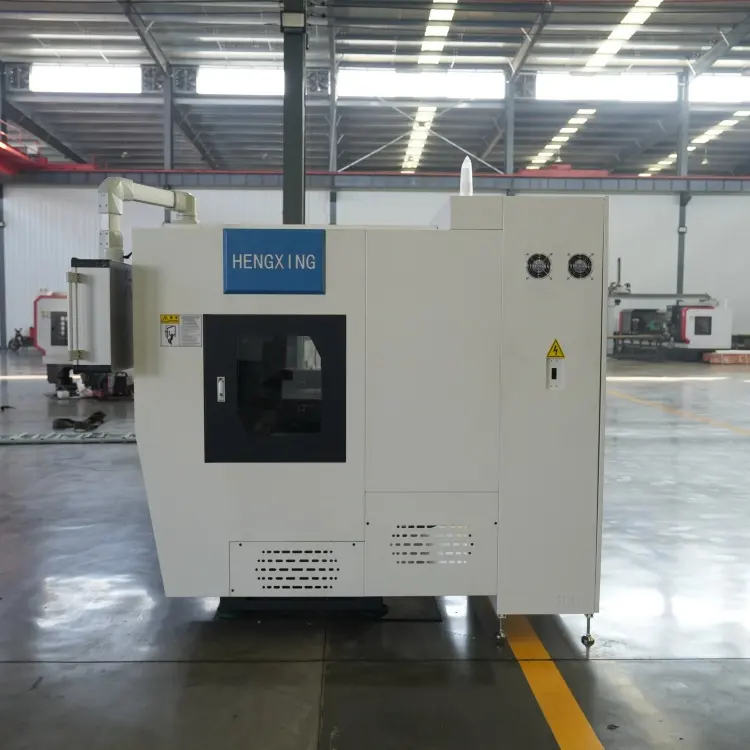
Core Automation Capabilities of a Dual-Spindle CNC Lathe
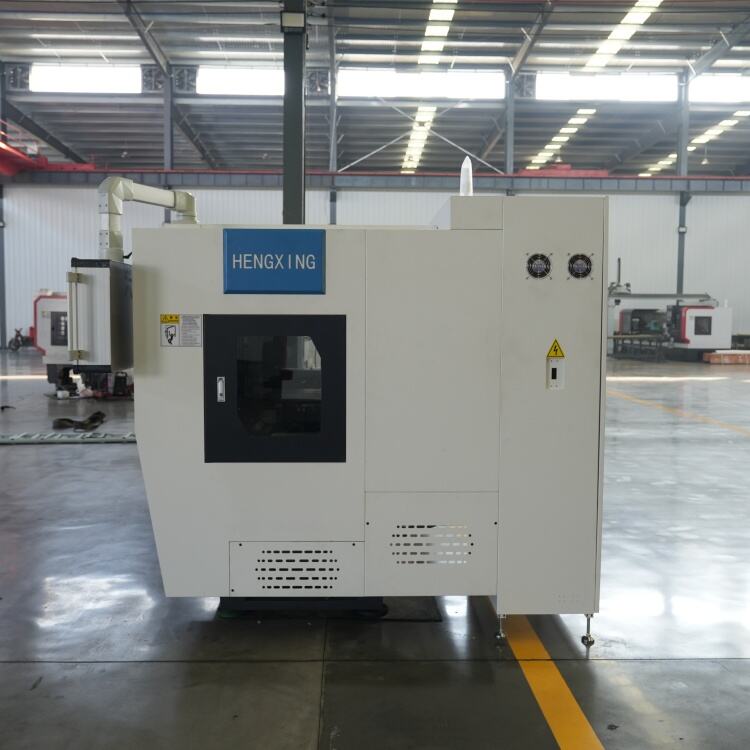
Synchronous vs. Independent Spindle Control for Uninterrupted Machining
Dual spindle CNC lathes work in two main ways - sync mode and independent operation - which helps keep production moving without interruptions. When running synchronously, the machine's twin spindles work together to handle multiple tasks at once on the same part. Think facing one end while drilling another side at the same time. According to recent industry data from 2023, this can cut down cycle times around 35 to 40 percent for complicated shapes like those found in hydraulic fittings. Independent mode lets each spindle tackle separate jobs simultaneously. Spindle A might be working on a valve body while spindle B finishes up a flange. Being able to flip between these modes gives shops flexibility whether they're cranking out thousands of identical parts or dealing with mixed batches. Modern control systems keep RPM accuracy within about 0.1% and tweak torque settings automatically when tools engage, which stops unwanted vibrations and keeps parts dimensionally stable throughout the machining process. This matters because even small deviations can lead to rejected parts and wasted materials.
Automated Workpiece Transfer: Minimizing Idle Time Between Operations
What makes dual-spindle lathes so valuable for automated production is their built-in workpiece transfer system that cuts down on downtime by as much as 90%. When Spindle A finishes its main tasks, either robotic grippers or rotary transfer arms move the component over to Spindle B within just 2.5 seconds flat. That's way quicker than what happens when workers do it manually, which usually takes around 30 seconds or more. This speed means manufacturers can keep running finishing processes like threading or grooving without waiting for parts to cool down first. In facilities dealing with many different part types, vision guided robots adjust their grip points automatically across various components, maintaining position accuracy below 0.01 mm throughout. Getting rid of the need for humans to handle parts between spindles does two things at once: it stops machines from sitting idle and reduces mistakes during handling by about 87% as shown in research published last year in Industrial Automation Journal.
Optimal Loading Systems for Dual-Spindle CNC Lathes
Bar Feeders for High-Volume, Long-Bar Production
Bar feeders handle material automatically for making round parts continuously, basically pushing those long metal bars into the spindle so machines can run without someone constantly watching. According to Modern Machine Shop from 2023, these systems cut down on downtime by around 30% when compared to what happens with manual loading. Plus they work really well with machines that have two spindles, allowing shops to machine both sides of a part one after another. There are other advantages too. The way they manage materials means less waste gets thrown away when switching between different sized bars. And because there's no human factor involved in each individual part, cycle times stay pretty much the same throughout production runs.
Robotic and Gantry Loaders for Complex, Multi-Geometry Parts
When dealing with complex parts that have multiple features, robotic arms and gantry loaders take over where traditional bar feeders fall short. These systems come with special gripping mechanisms that allow them to move partially machined pieces between different machines and workstations accurately. One real world example comes from an aerospace manufacturing company working on turbine shafts. They saw their production output jump by around 40% after installing gantry loaders alongside dual-spindle lathes. Getting these systems running smoothly depends on several key things. First, having adaptable tools that can handle various part types in the same batch makes all the difference. Second, programming must account for potential collisions in cramped spaces. And finally, making sure everything works well with other processes both before and after machining matters too. The system needs to play nicely with heat treatment operations upstream and inspection stations downstream for maximum efficiency.
Dual-spindle CNC lathes deliver maximum ROI when loading systems are matched to production demands: bar feeders for high-volume cylindrical work, robotic solutions for low-volume, high-complexity jobs.
Strategic Integration: Aligning Loading Systems with Dual-Spindle CNC Lathe Architecture
Matching Chuck Type, Part Geometry, and Cycle Time to Maximize Uptime
Getting loading systems properly integrated with dual-spindle CNC lathes really comes down to getting three things right: how the chucks are set up, what shape the parts are, and how long each machining cycle takes. Hydraulic chucks let operators switch jaws quickly something that matters a lot when making many different parts. Pneumatic versions tend to react faster though, so they work better for running the same part over and over at speed. For those tricky thin walls or odd shaped pieces, special collet systems become necessary to stop vibrations from messing up tolerances. These kinds of issues actually cause about 23 percent of unexpected stoppages in automated turning operations according to recent industry data.
Getting cycle times synced right matters just as much. Robotic loaders need to match their transfer timing with when the lathe's spindle actually engages, otherwise we end up with wasted time between operations. Slant bed machines give robots better space to move around, which means parts get transferred about 15 percent quicker compared to those flat bed setups. When everything works together properly, this reduces all that downtime by roughly 40 percent, making better use of the spindle itself. Factories that really focus on getting these three things working in harmony can hit around 92 percent uptime. That's way better than the typical 76 percent seen across most shops. What starts as just theory about automation becomes real money saving improvements that stick around for good.
Enabling Structural Features of the Dual-Spindle CNC Lathe for Seamless Automation
Dual-spindle CNC lathes have been designed specifically for continuous automated operation without breaks. The machine typically has two rigid spindles that can be controlled separately. These spindles sit in positions that let them pass workpieces back and forth without any collisions. The machines also come with special servo motors that grab and release parts with incredible precision at the micron level. Plus, the heavy duty base helps absorb vibrations when both sides are working at once. For positioning accuracy during part transfers, most models use high quality linear guides. And don't forget about the chip collection system which keeps things running smoothly by preventing debris buildup that would otherwise stop production. All these components work together so that as soon as one side finishes machining, the other can start right away on the opposite side of the part. This cuts down waiting periods between operations by roughly 40 to 60 percent compared to regular single spindle machines. With their closed loop control systems constantly adjusting everything in real time, these lathes make it possible to run unattended overnight production runs even for complicated turning jobs that used to require constant operator attention.
FAQs about Dual-Spindle CNC Lathes
What are the main advantages of using dual-spindle CNC lathes?
Dual-spindle CNC lathes offer advantages such as reduced cycle times, automated workpiece transfer, and flexibility between synchronous and independent spindle operations, which enhance efficiency and productivity.
How does the automated workpiece transfer system benefit manufacturers?
The automated workpiece transfer system minimizes downtime by quickly moving components between spindles, thus maintaining production flow and reducing errors from manual handling.
What loading systems are ideal for dual-spindle CNC lathes?
Bar feeders are suitable for high-volume, long-bar production, whereas robotic and gantry loaders are ideal for complex, multi-geometry parts.
How does spindle control affect machining?
Spindle control, whether synchronous or independent, allows for simultaneous task handling or separate job processing, which optimizes machining operations and cycle times.
Table of Contents
- Core Automation Capabilities of a Dual-Spindle CNC Lathe
- Optimal Loading Systems for Dual-Spindle CNC Lathes
- Strategic Integration: Aligning Loading Systems with Dual-Spindle CNC Lathe Architecture
- Enabling Structural Features of the Dual-Spindle CNC Lathe for Seamless Automation
- FAQs about Dual-Spindle CNC Lathes