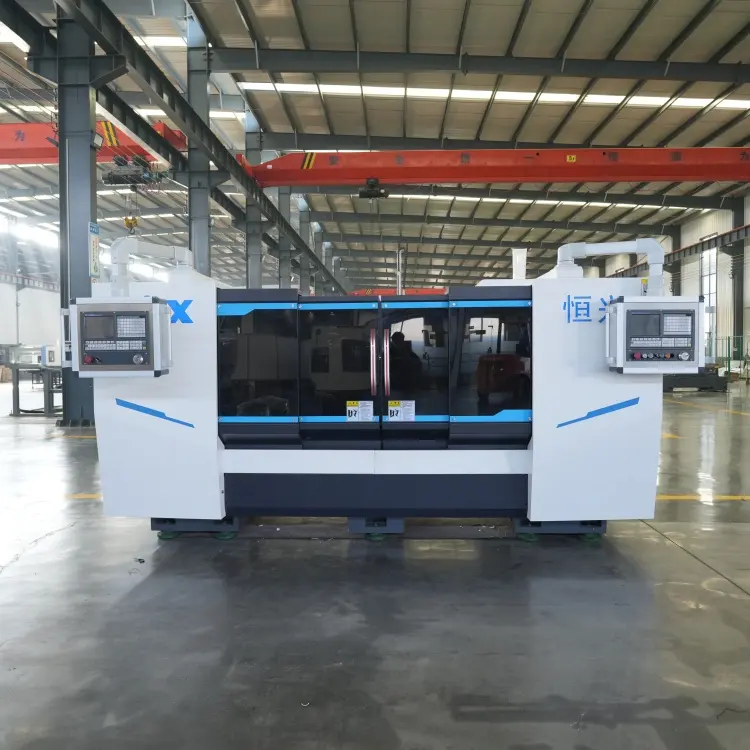
Ukuchunguzwa wa Pamoja: Faida Kuu ya Ufanisi ya Nywele za CNC Zenye Spindle Mbili
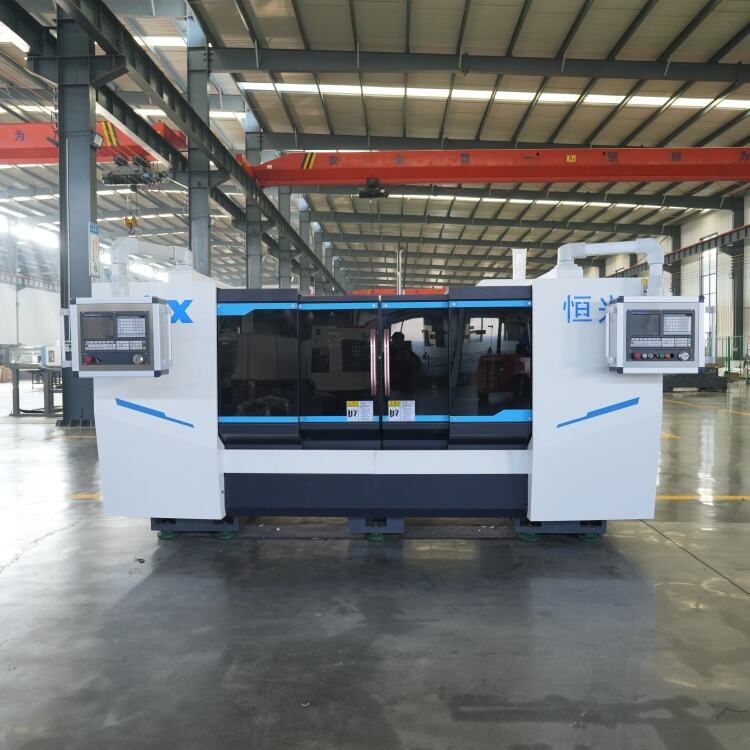
Kuondoa muda usiohusika na ukuchunguzi kwa kufanya kazi kwenye upande wa mbele na upande wa nyuma kwa wakati mmoja
Mashine ya CNC ya kichwa kikubwa kina kipengele cha kuchoma kwa kifaa cha kichwa kikubwa kinachofanya kazi kwa upande mmoja wa sehemu wakati mwingine kichwa kikubwa kingine kinafanya kazi kwenye uchunguzi, kuchuma, au kufanya kazi ya kuzungusha kwenye mwisho mwingine. Hii inaondoa wakati wote ulioharibiwa katika kusogeza sehemu kwa mikono kati ya shughuli mbalimbali. Kwa sehemu za mzunguko yenye ufanisi kama vile zile zinazotumika katika mifumo ya hydraulic au valvu za ndege, mashine hizi hupunguza wakati wa kupumzika kwa takriban 70% kuliko mashine za kichwa kikubwa moja za jadi. Matokeo ni matumizi bora zaidi ya wakati wa mashine na kudumisha kuchoma bila kupumzika.
Mafanikio yanayoweza kuhesabiwa: Muda wa kichwa kikubwa kinaongezeka kwa 40–60% kwa haraka kuliko mashine ya kichwa kikubwa moja katika uzoefu wa wastani wa viwanda vya anga na vya afya
Unapokuwa na kufanya vitu vya kikundi kati ya sehemu 100 na 5,000, mashine zenye spindles mbili zinaweza kupunguza muda wa mzunguko kwa asilimia 40 hadi 60. Kwa matumizi ya anga na usafiri, valve hizo ambazo huzingatia usawa wa juu na ndani zinapata ongezeko la kasi ya uzalishaji kwa asilimia 55. Vipengele vya kisasa vya kisasa vya kisasa vinavyotaka maumbo ya kipekee kwenye mistari mingi huchukua muda mdogo sana—kwa wastani 48% chini ya muda wa kuchukua kufanya kazi kwa jumla. Sababu ya faida hizi ni nini? Hakuna hitaji la hatua za kuanzisha ziada wala mvutano mdogo kwa kubadilisha zana. Hii inasababisha uchumi wa takriban asilimia 30 kwa sehemu moja katika sekta ambapo usahihi ni muhimu zaidi. Tunazungumzia sekta ambapo kufanya vipimo kwa usahihi wa mm 0.02 tu ni jambo la kawaida.
Usynchronizesho wa Uthabiti wa Spindle kwa Patikizo la Mara Moja na Uthabiti wa Juu
Ukoamana wa mhimili wa W na udhibiti unaofanyika kwa mara moja na kujitegemea kuhakikisha upo wazi wa kati ya spindles chini ya mm 0.01
Kufikia uwekezaji wa kiwango cha mikroni hutokea wakati tunafanya ushirikiano wa mhimili wa W pamoja na mamlaka ya kushabiri kwa muda halisi. Mfumo huyu unategemea kipengele cha upimaji wa ukubwa mkubwa (high resolution encoders) kinachotuma data ya nafasi kwa mfumo ya mzunguko wa kufunga (closed loop systems). Mifumo hii inabadilisha mara kwa mara kwa mambo kama vile kuvimba kwa kifaa, matatizo ya kuongezeka kwa joto, na matatizo yoyote ya kuvunjika kwa mstari wa usawa. Hii inafanya kuhakikisha kwamba uwekezaji wa kati ya mizinga ya kuzunguka (inter spindle repeatability) huweza kuwa chini ya 0.0013 mm katika kila mahali. Kwa udhibiti wa joto, mafuta ya kuchanganya (liquid cooling) yanahakikisha kwamba vitu vyote vinavyotumika vinavyoendelea kufanya kazi kwa joto la takriban 20 digrii Celsius, na kubadilika kwa digrii moja tu juu au chini. Hii inazima matatizo ya mabadiliko ya vipimo vya kisasa ambayo husababishwa na kuongezeka kwa joto wakati wa kufanywa kazi kwenye viatu. Udhibiti huu wa kusisitiza hujaza muhimu sana wakati wa kutengeneza sehemu ambazo lazima kufuata viwajibikaji vya kipekee kama vile AS9100 au ISO 13485 GD&T.
Kupunguza vibarua na kuvunjika kwa sababu ya joto ili kudumisha utii wa GD&T katika mazoezi ya muda mrefu bila watu
Wakati wa kuendesha mashine kwa muda mrefu bila usimamizi wa kibinadamu, watengenezaji wanahitaji kushughulikia harmoniki za mtetemo na masuala ya kuteleza kwa joto moja kwa moja kwani hizi ndizo zinazochangia sana matatizo ya GD&T. Vifaa vya hivi karibuni vinachanganya ujenzi imara na mifumo ya ufuatiliaji wa mtetemo ambayo huona mitetemo hiyo ya masafa ya juu zaidi ya 15 kHz na kuanza kuilinganisha kabla ya mwendo wowote kuwa mbaya zaidi ya 0.007 mm. Programu mahiri huangalia jinsi spindle inavyofanya kazi kwa bidii kwa wakati halisi na hufanya marekebisho ya kasi ya kulisha inapohitajika, kuweka nyuso laini hadi mikroni za Ra 0.4 hata baada ya saa 22 mfululizo. Hii inamaanisha katika mazoezi ni takriban theluthi moja ya tofauti katika vipimo ikilinganishwa na njia za zamani, kwa hivyo sehemu hubaki ndani ya vipimo mfululizo bila kuhitaji mtu kusimama ili kurekebisha mambo kwa mikono usiku kucha.
Uunganisho wa Kutombolea kwa Ufanisi wa Utengenezaji bila nuru
Mzigo wa gantry, vikundi vya pali, na mfumo wa kusafisha vinavyowezesha utendaji bila usimamizi kwa masaa 22
Unapowekwa kwenye mabaini ya CNC ya spindle mbili kwa wakala wa gantry, vikundi vya pali, na mfumo wa kusimamia kushika vitu kwa juu, yale mabaini huwa seli za uzalishaji zinazofanya kazi kwa kutegemea mwenyewe kabisa ambazo zinaweza kufanya kazi kwa uaminifu kwa takriban masaa 22 mfululizo bila kuhitaji mtu kuyasimamia. Vyanzo hivi mbalimbali hufanya kazi ya kupakia kiotomatiki vipande vya kitu cha kuanza, kuhama vitu vya kufanywa kazi kutoka spindle moja hadi nyingine, na kusimamia bidhaa zilizosafirishwa katika vyombo vya uhifadhi vinavyofaa. Mchakato huu hupunguza kwa kiasi kikubwa kazi ya kufanya kwa mkono iliyotumika katika mchakato wa kawaida na hupunguza muda wa kusisimua unaotokana na ukosefu wa kufanya kazi. Kile tunachopata ni shughuli za kuchakata kwa muda mrefu sana, ambacho kwa kawaida hupanua uwezo wa jumla wa vifaa kwa asilimia 30 hadi 50 kuliko kile kinachotokea katika mchakato wa kufanya kwa mkono. Kwa sekta zinazoshughulikia mikutano ya kipekee ya sehemu tofauti na inayohitaji uzalishaji wa kina sana kama vile uzalishaji wa vifaa vya kuchukua mwilini au kuzalisha vifaa vya mafuta ya kuvuruga, automatiki hii ina maana kubwa kwa sababu inapunguza gharama za kazi kwa kiasi kikubwa wakati inayodumisha ubora wa kudumu katika kila kikundi.
Kazi za kipengele cha kiautomati:
- Wakusanyaji wa gantry : Weka nyenzo ya msingi kwa usahihi wa mikroni kwa ujumla wa kuingiliana na spindle ya uendeshaji wa kwanza
- Vituo vya pallet : Toa eneo la kuhifadhi kwa muda mfupi kwa uhamisho bila kupungua kati ya uendeshaji wa upande wa mbele na wa nyuma
- Mifumo ya kusafisha : Fanya kiautomati utaratibu wa kusafisha sehemu zilizosaidiwa, kuzungusha, na usimamizi wa vitabu
Matumizi ya kisiasa: Unapokuwa na spindle mbili Mashine ya Cnc Lathe Inatoa faida kubwa kabisa (ROI)
Kwa makampuni yanayotengeneza sehemu za kuzunguka zenye uwezo wa kufanya kazi kwa kiasi kikubwa, mabaini ya CNC yenye spindle mbili hufanya kazi nzuri sana. Vyombo hivi hufanya kazi nzuri sana kwa vitu kama vile sehemu za anga na nje ya anga, mwili wa valvu ya maji, na sehemu za dawa za kuchangia mwilini ambazo hitaji usahihi wa juu. Kitu kinachofanya vyombo hivi kuwa tofauti ni jinsi wanavyoondoa uchunguzi wa mikakati ya kufanya kazi kwa mikono kati ya hatua mbalimbali za kufanya kazi. Hii pekee inaweza kupunguza muda wa mzunguko kwa asilimia 40 hadi 60 kulingana na takwimu za sekta. Unapounganisha vyombo hivi na mfumo wa kiotomatiki, vinaweza kufanya kazi bila kupumzika kwa karibu siku mbili kamili bila hitaji la mshiriki wa mtu. Wakufanya bidhaa wengi wanapata pesa yao kurudi haraka zaidi unapoproduka vikundi vya zaidi ya kipiece 500. Uwekaji wa kwanza unaharishwa, zana zinatumika kwa muda mrefu zaidi kwa sababu zinatumika kwa ufanisi zaidi, na pia kuna upungufu mkubwa wa gharama za kazi. Kawaida, gharama ya ziada ya awali inalipwa ndani ya miezi 18 hadi 24 kulingana na kiasi cha uzalishaji na faida za ufanisi.
Maswali Yanayotuliwa (FAQ)
Dual-spindle CNC lathe ni nini?
Chombo cha kuchoma cha CNC cha mshale mbili ni chombo cha kuchoma kinachoruhusu uchunguzi wa pamoja wa mwisho wote wa kipande cha kazi, kuboresha utajiri na kupunguza muda wa mzunguko.
Jinsi gani chombo cha kuchoma cha CNC cha mshale mbili kinazidisha ufanisi?
Kwa kuchoma upande wote wa sehemu kwa mara moja, machombo ya kuchoma ya CNC ya mshale mbili yanapunguza hitaji la mazingira mengi na kupunguza muda wa kupumzika kwa takriban asilimia 70 ikilinganishwa na machombo ya kuchoma ya jadi.
Mashirika gani yanafaida kutoka kwa machombo ya kuchoma ya CNC ya mshale mbili?
Mashirika kama vile ya anga na nje ya anga, ya afya, na ya uzalishaji yanafaida sana kwa sababu ya usahihi, kasi, na ufanisi wa gharama uliofurnishwa na mashine haya.
Orodha ya Maudhui
-
Ukuchunguzwa wa Pamoja: Faida Kuu ya Ufanisi ya Nywele za CNC Zenye Spindle Mbili
- Kuondoa muda usiohusika na ukuchunguzi kwa kufanya kazi kwenye upande wa mbele na upande wa nyuma kwa wakati mmoja
- Mafanikio yanayoweza kuhesabiwa: Muda wa kichwa kikubwa kinaongezeka kwa 40–60% kwa haraka kuliko mashine ya kichwa kikubwa moja katika uzoefu wa wastani wa viwanda vya anga na vya afya
- Usynchronizesho wa Uthabiti wa Spindle kwa Patikizo la Mara Moja na Uthabiti wa Juu
- Uunganisho wa Kutombolea kwa Ufanisi wa Utengenezaji bila nuru
- Matumizi ya kisiasa: Unapokuwa na spindle mbili Mashine ya Cnc Lathe Inatoa faida kubwa kabisa (ROI)
- Maswali Yanayotuliwa (FAQ)