
Real world value of solid CNC milling programming skills
Many new machinists treat CNC milling programming as pure textbook knowledge, yet actual workshop conditions bring unexpected challenges that manuals rarely cover. From small custom batches to high volume runs for automotive, mining and aerospace components, poor programming or careless setup creates expensive scrap parts, tool damage and unplanned machine downtime. Years of hands‑on manufacturing work shows that most production issues do not stem from highly complex code, but simple oversights in basic programming logic and preparation work. This guide breaks down practical programming and setup knowledge for both new operators and experienced technicians. It focuses on actionable steps to hold stable part tolerance and reduce unnecessary waste on the shop floor.
Core programming principles for reliable milling output
At the heart of CNC milling programming are G‑codes for movement instructions and M‑codes for auxiliary machine functions, following widely accepted ISO industrial standards for numerical control programming. Two coordinate modes dominate daily work, absolute coordinate mode defines every position based on fixed workpiece zero point, while incremental mode calculates movement based on the tool’s current location. Workpiece coordinate systems such as G54 to G59 define where the part sits relative to machine home position. Many operators rush to write complex tool paths without locking correct coordinate references. Even advanced CAM generated programs will produce defective parts if coordinate offsets are misunderstood. Keep your program structure clean, separate roughing passes and finishing passes logically, and add clear comments for each machining step so other technicians can read and adjust code quickly on site.
Essential machine setup workflows before program execution
Perfect programming cannot compensate for careless physical machine setup. Secure workpiece clamping sits as the first critical step. Clamping force must hold parts rigid without creating physical deformation especially for thin wall workpieces. Next comes proper tool selection. Match tool material, diameter and coating to your workpiece material whether you process steel, aluminum or alloy parts. After tool installation, complete tool length compensation and radius compensation carefully. Input offset values measured from actual tool probes instead of theoretical drawing values. Double check work offset values for your active coordinate system. Real workshop records show that more than thirty percent of dimensional deviation cases trace back to wrong offset data input rather than programming errors. Never skip visual checks on fixture clearance to avoid tool collision during movement cycles.
Program simulation and trial run to avoid costly failures
Even well‑written code carries hidden risks. Industry best practice strongly recommends offline simulation before loading programs onto physical machines. Simulation software helps detect overcutting, fixture interference and unexpected rapid travel paths that human eyes easily miss. After transferring the verified program to machine control unit, run full dry cycles without workpiece material. Lock spindle feed rate at low percentage during dry run to observe full tool movement trajectory. Once dry run completes without alarms, run your first physical test piece. After finishing the first sample, complete full dimension inspection against drawing tolerances. One real mining component project saw heavy financial loss when a team skipped simulation and trial cut. Tool collision damaged spindle assembly and ruined expensive raw blanks. These validation steps take extra minutes but protect your machine and material investment.
Troubleshooting frequent programming and setup related defects
Operators often face recurring problems including poor surface finish, unstable dimension readings and unexpected tool breakage. Bad surface quality can come from improper feed and spindle speed parameters, incorrect tool radius compensation or unstable workpiece clamping. If measured dimensions slowly drift across multiple parts, inspect tool wear status and check whether fixture position shifts under continuous cutting force. When tolerance goes beyond IT6 to IT7 precision requirements, review both your program logic and physical setup conditions. Do not only adjust code parameters blindly. Sometimes loosened fixture bolts or worn tool holders create errors that look like programming mistakes. Record parameter changes and test results for future reference, this habit builds your own practical knowledge base for similar machining tasks.
Matching programming capability with reliable manufacturing equipment
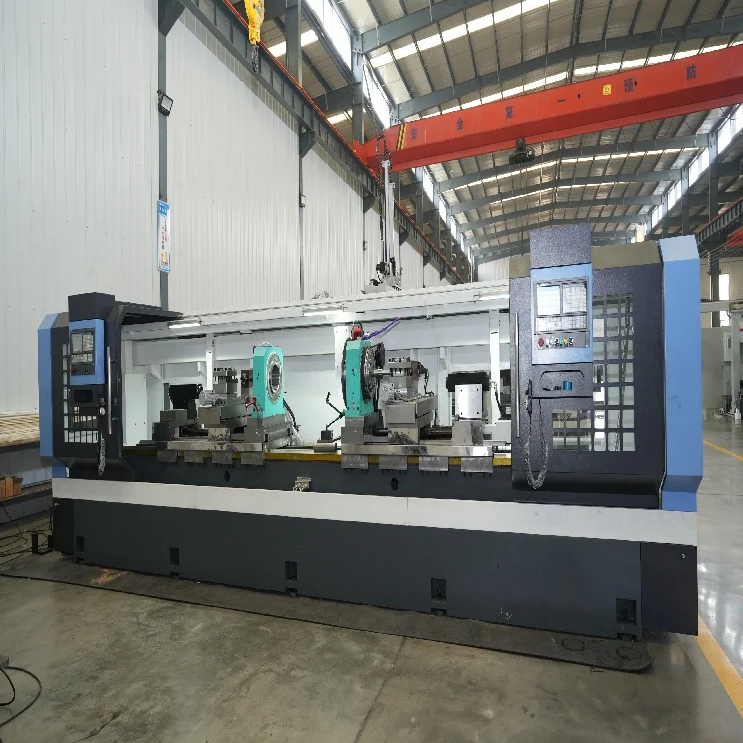
Strong programming and setup skills form one half of high‑quality production. The other half depends on stable machine hardware built for target industry workloads. When factories scale toward large batch production of shaft parts, automotive components and mining hardware, general milling equipment may struggle to maintain consistent accuracy shift after shift. Hengxing Heavy Industry delivers high performance CNC machine solutions tailored for heavy‑duty precision manufacturing. It provides in‑depth pre‑sales custom design consultation, long‑term technical upgrade support and transparent spare‑part inventory guarantee. Its machines serve hundreds of original equipment manufacturers across more than thirty exporting countries and regions covering Southeast Asia, Middle East, South America and Europe. Skilled operators plus well‑built supported equipment help manufacturers balance high throughput, tight tolerance control and reduced overall labor cost for long‑term business growth.
Table of Contents
- Real world value of solid CNC milling programming skills
- Core programming principles for reliable milling output
- Essential machine setup workflows before program execution
- Program simulation and trial run to avoid costly failures
- Troubleshooting frequent programming and setup related defects
- Matching programming capability with reliable manufacturing equipment