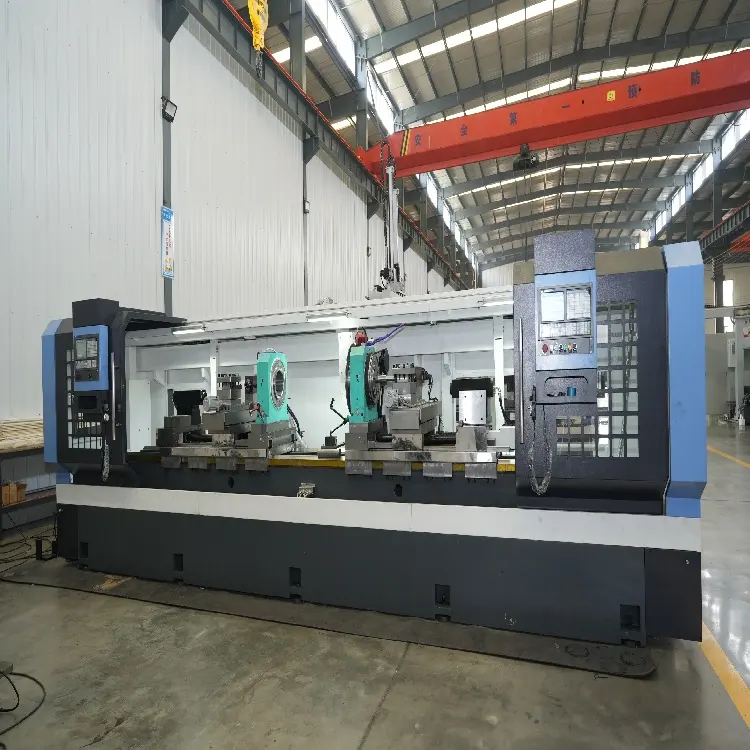
מַדוּעַ טורנדות CNC דו-ספינדל מספקות דיוק ברמה של אסטרונאוטיקה
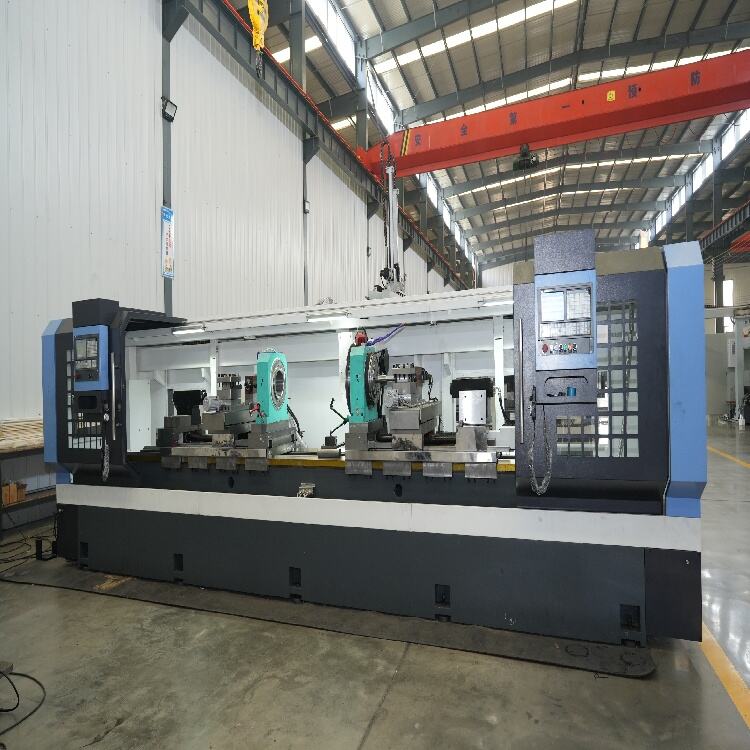
הישג דרישות הסבירות לפי תקן AS9100: התאמה לדיוק של ±0.002 מ"מ ולדרישות GD&T באמצעות בקרה עצמאית על הצירים
תעשיית התעופה והחלל זקוקה לדיוק מדהים, במיוחד מכיוון שתקנות AS9100 דורשות מפרטי GD&T מדויקים עד פלוס מינוס 0.002 מילימטרים. מכונות CNC בעלות שני צירים עומדות ביעדים אלה הודות לצירים הנפרדים שלהן הנשלטים על ידי סרוו, אשר בעצם מונעים כל טעות מהזזת חלקים. מכונות אלה פועלות באופן עצמאי עם מקודדים מדויקים במיוחד ומערכות בורג כדוריות מפוארות, המאפשרות התאמות זעירות בעת חיתוך מתכות קשות כמו טיטניום או אינקונל. האופן שבו צירים אלה מתואמים מונע את הצטברות בעיות הסבילות המעצבנות הללו לאורך זמן. חשבו על משהו כמו ברגי כנף או טבעות אטימה במנועי סילון, שבהם אפילו הסטייה הקטנה ביותר מתחת למיקרון עלולה להוביל לכשל קטסטרופלי. חברות מדווחות למעשה על שיעור הצלחה של כ-98.7 אחוזים בניסיונות הראשונים עבור חלקים הידראוליים במטוסים כאשר הן משתמשות בסוג זה של הגדרה.
יציבות תרמית וקשיחות דינמית: פתרונות הנדסיים לעיבוד חפשי מהזזות של טיטניום ואינקונל
העבודה עם חומרים مقاומים לחום כגון אינקונל 718 וטיטניום דרגה 5 יוצרת בעיות חמורות למכונאים שמתמודדים עם טמפרטורות קיצוניות ורעידות מתמידות המשפיעות על ממדים של החלקים. כדי להתמודד עם זה, מסכות סיבוב כפולות מודרניות מגיעות מצוידות בכמה תכונות חכמות. להן בסיסים חזקים במיוחד המעובדים בטורקייט כדי לשמור על יציבות. גלגלות קרמיות עוזרות לשלוט בבניית החום, בעוד שמערכות בידוד מיוחדות בולעות את הרעידות ההרמוניות המטריחות בעת הפסקות בגיזום. חלק מהמכונות כוללות גם חיישנים לפיצוי תרמי שמעדכנים באופן דינמי את מסלול הגיזום כאשר החומרים מתרחבים עקב חום. לפי מגזין ייצור אווירונאוטיקה (Aerospace Manufacturing Magazine) משנת שעברה, טכנולוגיה זו מקטינה בפועל את הפסולת ב-18% בערך בייצור חלקים למזוודות נחיתה של מטוסים. מה זה אומר? החלקים מקבלים שטח חלק מאוד, עם מדד Ra מתחת ל-0.8 מיקרון, ומשמרים את דיוק המיקום שלהם גם לאחר מעבר דרך סדרות ייצור ארוכות.
הפחתת דרמטית בזמן המחזור באמצעות פעולות ציר כפול סימולטניות
הסרת הטעינה הידנית: עיבוד פנים קדמית ואחורייה במבנה אחד — שיפור אמיתי של 37–42%
הבעיה הגדולה ביותר בהחלפת חלקי חלל-אוויר אינה באמת במכונות עצמן, אלא במה ש קורה כאשר עובדים צריכים לשלוט ידנית בחלקים בין פעולות שונות. מסגרות CNC דו-ציריות פותרות בעיה זו על ידי פעולה די חכמה: הן מעבדות את שני הצדדים של הרכיב בו זמנית. דמיינו את הסיטואציה הבאה – בעוד ציר אחד מבצע עיבוד גס של פנים דיסק טורבינה, הציר השני מבצע בו זמנית סיום של קידוח החורים הקריטיים להטיה. התוצאה? זמני מחזור יורדים ב-37 עד 42 אחוז עבור חלקים אלו המדויקים, אשר מיוצרים מחומרים קשיחים כגון טיטניום ואינקוןל. ספקן מרכזי ראה למעשה כי ייצורו עלה ב-41% במיוחד עבור סיכות תחנות נחיתה, מה שתרגם לחסכון של כ-740 אלף דולר מדי שנה בעלויות עבודה בלבד, לפי מחקר מסוים של מכון פונמון משנת 2023. אך יש כאן יותר מאשר חיסכון בזמן בלבד. מערכות אוטומטיות אלו גם מפחיתות טעויות שעובדים עלולים לבצע בעת הפעלה ידנית ומניעות נזק אקראי לרכיבים. זה חשוב מאוד, משום שאפילו טעויות קטנות יכולות לגרום לבעיות בהתאמות הנדרשות תחת תקני AS9100, במיוחד כשמדובר בשמירת יריעות גלגלות בתוך ספקי סובלנות צרים של פלוס או מינוס 0.002 מילימטר.
סידור חכם של מסלולי כלים: התאמת תיאום ציר סיבוב מחובר כדי למנוע התנגשויות ולמקסם את זמינות המערכת
בקרות CNC מתקדמות מסנכרנות את תנועות הציר באמצעות אלגוריתמים למניעת התנגשויות שמדלים את מסלולי הכלים בקואורדינטות של מרחב-זמן ארבעה-ממדיות. משוב מיקומי נמדד במרווחי זמן של 0.1 מילישנייה, מה שמאפשר התאמות דינמיות למסלול בתנאי שהסטיות עולמות את הסף המותר. התיאום המחובר הזה מעניק שלושה יתרונות מדידים:
- מודל חיזוי הפרעות , המונע קריסות במהלך חריטה וסיבוב בו זמנית עם כלים פעילים
- איזון עומס הכלים , המחלק את ההתאכזרות בין צירי הסיבוב כדי להאריך את חיי קצה החיתוך ב-22%
-
תהליך עיבוד ללא הפסקה , המאפשר העברה רציפה של החלקים בין צירי הסיבוב בעת החלפת כלים
על ידי האצת עצירת החירום והדowntime הלא מתוכנן, יצרנים שומרים על זמינות מערכת מעל 95% — ויוצרים מעל 500 סוגים של חבקים מורכבים מדי חודש, תוך שמירה מלאה על אפשרות לעקוב אחר כל התהליך.
ייצור ניתן להרחבה של חלקים אסטרונאוטיים מורכבים, במערכת אחת בלבד
המכונה הCNC למתיחה דו-צירית ממלאה את הפער בין בדיקת פרוטוטיפים לבין ייצור סדרתי בקנה מידה מלא שמקיים את תקני האישור. היא מייצרת באופן עקבי יותר מ-500 חלקים בחודש, תוך שמירה על כל פרטי ההתאמה לתקן AS9100 הנדרשים ותחזוקת סיבובים צרים סביב טווח של ±0.002 מ"מ בהתאם לדרישות GD&T. מה שמייחד מכונה זו הוא מערכת המניטורינג המובנית שלה, אשר עוקבת אחר גורמים קריטיים בתהליך העיבוד, כגון רמות הבלאי של הכלים, מדידות כוח החיתוך וההתאמות הטמפרטוריות במהלך ייצור כל חלק. בכך היא מחליפה את יומנים נייריים ישנים prone לשגיאות, בسجلים דיגיטליים שלא ניתן לערוך — דבר הכרחי לחלוטין בעת עבודה עם דרישות אישור של ה-FAA או ה-EASA.
מהפרוטוטיפ לייצור רב-תעריפתי ורב-נפח: אפשרי ייצור של 500 יחידות+ לחודש ללא פגיעה באפשרות לעקוב אחר ההיסטוריה של כל מוצר
מכונות דו-ציר מקלות במידה רבה את היכולת להרחיב את הפעילות, מהן ייצור פרוטוטיפי קטן ועד לדרישות ייצור נפוץ בקנה מידה גדול. זה חשוב במיוחד לייצרנים שצריכים להגביר את תפוקתם של חלקים כגון צירים לטורבינות, סוגרי מסלול כנפיים או רכיבי גלגלי נחיתה. מערכות חד-ציר מסורתיות דורשות תשומת לב מתמדת של המפעיל בין שלבים שונים של עיבוד, אך מערכות דו-ציר מודרניות ממשיכות לבדוק באופן אוטומטי את האיכות לאורך כל התהליך. החיישנים המובנים במערכות אלו רושמים מידע מפורט על כל שלב של עיבוד עבור כל חלק בנפרד, מה שיוצר רשומות דיגיטליות מלאות הנדרשות כדי לעמוד בסטנדרטים הקשיחים של תעשיית החלל והאוויר. מה שנותן למערכת זו ערך רב הוא היכולת לשמור על קצב ייצור עקבי גם בעת עבודה בחומרים מורכבים כמו אינקונל 718. הגישות הישנות היו נאלצות לעכב את המהירות פשוט כדי לתעד כראוי את מה שהתרחש במהלך העיבוד — דבר שלא קורה במערכות האוטומטיות הללו.
עיבוד משולב מרובה-תהליכים: סיבוב, חיתוך וקיזוז על תחנות כפולות
בעת עיסוק בצורות מורכבות בייצור תחום האוטו-אוויר, הגיוני לאחד את כל הרכיבים במקום לפרק אותם. מסגרות CNC דו-ציריות מודרניות שמצוידות בכלים חיים מסוגלות לסיים חלקים שלמים בפעולה אחת בלבד. הציר הראשי מתמודד עם משימות הסיבוב המדויק, בעוד שהצד המשני מבצע מגוון פעולות אחרות כגון חיתוך, קידוח וחריטה. גישה זו מצמצמת את ארבעת עד ששת סדרי ההתקנה הרגילים הנדרשים במפעלים טרדיционיים, מה שמאפשר להפחית את שגיאות המיקום המצטברות המטריחות ב-90% تقريبا, כדברי כתב העת Aerospace Manufacturing Magazine מהשנה שעברה. מה שמעניין במיוחד הוא האופן שבו מכונות אלו מסנכרנות את תנועת הצירים שלהן כדי ליצור מסלולי חיתוך נגד-סיבוב. זה לא רק משפר את הסילוק של הפסולת אלא גם שומר על איכות משטח טובה יותר בעת עיבוד חלקי טיטניום קשיחים בעלי כיסים עמוקים. ואל נ забывать את מערכות מניעת ההתנגשויות החכמות שמנהלות את החלפת הכלים בין התחנות. הן שומרות על זרימת הייצור ללא הפרעות עבור רכיבים יקרים – דבר שבלעדיהן היו מתרחשות עצירות יקרות ותהליכי הרשאה מחדש ממושכים באמצעות שיטות ישנות.
שאלה נפוצה
-
מה היתרונות של מסגרות CNC דו-ציריות בייצור תחום האנרגיה?
מסגרות CNC דו-ציריות מציעות עיבוד מדויק, קיצוץ זמני מחזור, הפחתת שגיאות ידניות בהטמעת החלקים והיכולת לבצע פעולות מרובות בו זמנית. גורמים אלו תורמים להיענות לדרישות הקפדניות של הסטנדרט AS9100. -
איך מסגרות CNC דו-ציריות מבטאות דיוק?
הן משתמשות בבקרות עצמאיות של הצירים עם אינקודרים מדויקים, מנועי סרוו ומערכות ברגי כדור, אשר מאפשרות להן לעמוד במפורש בדרישות ה-GD&T (±0.002 מ"מ). -
איך מכונות אלו מתמודדות עם חומרים בעלי טמפרטורת רתיחה גבוהה כגון אינקונל וטיטניום?
מסגרות CNC דו-ציריות מעוצבות לייציבות תרמית, כולל תכונות כגון בסיסים מוכסים בחומר Turcite, גלגלות קרמיות, מערכות דämpינג וחיישנים לפיצוי תרמי. -
האם מסגרות CNC דו-ציריות יכולות לעבד את שני הצדדים של חלק אחד באותה התקנה?
כן, הן מאפשרות לעבד את שני הצדדים של החלק בו זמנית, ובכך מבטלות את הצורך בהטמעה ידנית חוזרת, ומקצרות את זמני המחזור עד ב-42%.