Start with a Manufacturer’s Real Track Record
When you’re shopping around for a dual spindle CNC lathe, the very first thing you should do is look behind the curtain of the company making it. Don’t just stare at spec sheets and brochures. Dig into who they’ve worked with, how long they’ve been around, and what kind of real world results their machines have delivered. A solid manufacturer will have a list of clients that keep coming back, especially in demanding fields like mining, automotive, or aerospace. These industries don’t mess around when it comes to precision and uptime. If a company has been trusted by hundreds of OEMs, that’s a very good sign. You want a manufacturer that builds equipment capable of handling heavy, continuous work without breaking a sweat. For example, some manufacturers highlight that their dual spindle CNC lathe setups are trusted by over 300 manufacturers in sectors like mining and auto parts. That kind of realworld adoption tells you the machine can handle the daily grind. Also, pay attention to whether the manufacturer can show you a clear return on investment analysis. If they understand your business side well enough to calculate ROI for you, it usually means they know their machine’s value proposition inside and out. Avoid anyone who just wants to push a generic product without understanding your specific workflow. You need a partner, not just a vendor.
Look Under the Hood: Technology and Core Features
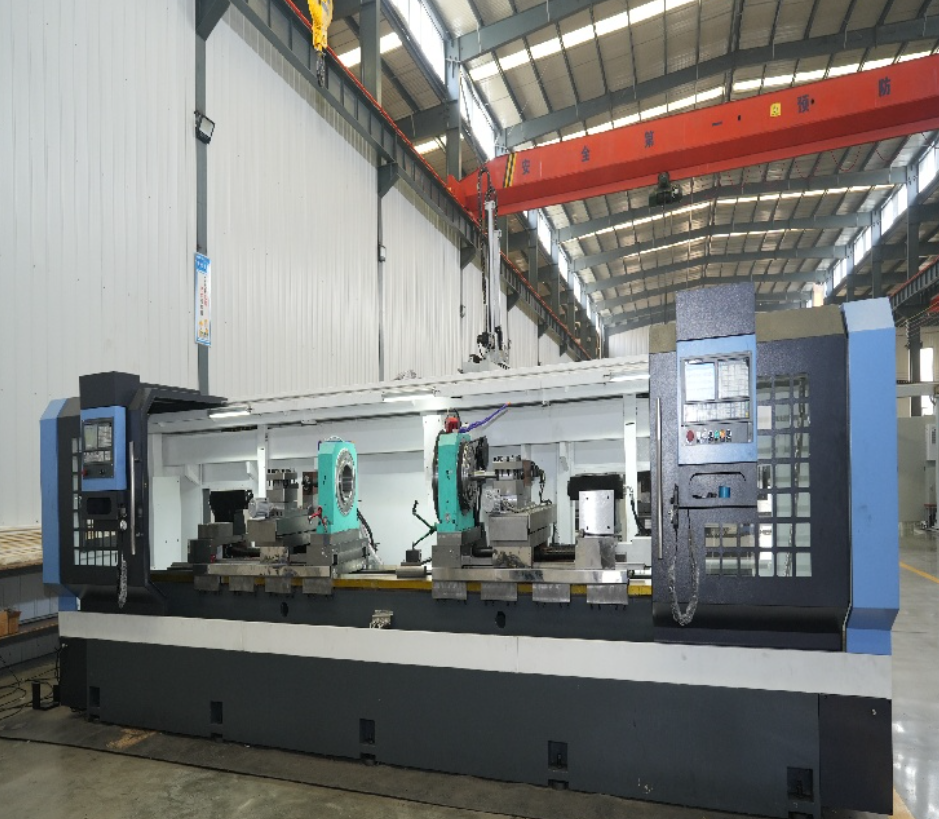
Beyond the company’s reputation, you have to get into the technical details. The heart of any dual spindle CNC lathe is how well it balances power, precision, and automation. You should be looking for machines that offer fouraxis linkage, which basically means the tool can move in multiple directions at once to tackle complex parts without needing multiple setups. This cuts down cycle times like crazy. Also, check the spindle power and RPM ranges. A good dual spindle CNC lathe should handle a variety of materials, from softer metals to tough alloys like titanium without bogging down. Another big thing is precision grades. Look for something in the IT6 to IT7 range, which is standard for high quality machining. That level of precision ensures your parts come out consistent every single time. Don’t overlook the control system either. Systems like GSK or FANUC controllers are popular because they are reliable and easy for operators to learn. If a manufacturer pairs those with hydraulic chucks and robust tooling, you’re in good hands. The best part about a modern dual spindle CNC lathe is the automatic loading and unloading. This feature dramatically reduces labor costs and human error. A well designed machine lets one operator oversee multiple machines at once, which is a huge win for any production floor. So, when you evaluate a manufacturer, ask them straight up: how rigid is the bed? How fast is the turret indexing? If they hesitate, move on.
Insist on Proof of Precision and Quality Standards
Anyone can say their lathe is accurate, but you need proof. This is where manufacturing standards and QC processes come into play. A trustworthy dual spindle CNC lathe manufacturer will build their machines according to international standards like ISO or CE certification. CE certification, for instance, means the machinery meets health, safety, and environmental requirements for the European market, which is a pretty high bar. You also want to see that they follow specific testing protocols for geometric accuracy and positioning repeatability. The real pros will reference standards like ASME B5.57 or ISO 13041 when discussing their testing methods. These aren’t just fancy acronyms; they are rigorous testing procedures that guarantee your machine holds tight tolerances day in and day out. A good rule of thumb is to ask the manufacturer for a documented inspection report for the actual machine you plan to buy. If they have measured things like spindle runout and linear axis positioning accuracy using laser interferometers, they are serious about quality. You should also check if the machine’s rigid construction minimizes vibration during heavy cutting. Vibration is the enemy of finish quality and tool life. A lathe with a heavy, cast iron bed and hardened guideways will outperform lighter, flimsy machines every single time. So, when a manufacturer presents their specs, look for tangible numbers on repeatability and surface finish. If they can’t provide those numbers, you might be walking into a trap.
Factor In After Sales Service and Machine Longevity
Buying a dual spindle CNC lathe is a long term investment, so what happens after the machine lands on your shop floor is just as important as the purchase itself. You need to know about warranty coverage, spare parts availability, and technical support. A lot of manufacturers will offer a 12 month warranty on the whole machine, but some might give you extended coverage on key components like the spindle or the control system. A good manufacturer will have a dedicated after sales team that can come to your site for repairs or guide you through remote diagnostics. Don’t underestimate the value of quick parts delivery. If a sensor fails and you have to wait three weeks for a replacement from overseas, your production grinds to a halt. Ask the manufacturer about their local stock of common wear parts like belts, bearings, and seals. Also, check if they offer training for your operators. A fancier machine is worthless if your team doesn’t know how to run it efficiently. The manufacturer should provide clear documentation and even onsite training sessions. Additionally, think about the machine’s versatility. A great dual spindle CNC lathe can handle not just simple turning but also milling, drilling, and tapping in one go. This “done in one” approach reduces handling and improves accuracy. Over the years, that saves you a fortune in secondary operations. So, when you talk to a potential supplier, push them on their service response times and their training programs. A company that stands behind its product will be happy to show you how they support their customers after the sale.